
Princeton’s in the Mix
What if the intense pressure high school students face in college admissions and the lengths parents go to ensure an advantage for them escalated to bloody consequences? That’s exactly what happens in the dark, blunt, social satire short film Princeton’s in the Mix.
The writer, director, and editor of the film, Jonathan DiMaio, took inspiration from a real-life scenario. “[I] knew someone who actually thought they were going to get extra time on the SAT who went to an elite private school,” he recalls. “He injured his hand playing sports, and he … and his family [were] very excited about this injury [because he could get more time].”
In Princeton’s in the Mix, a similar accidental hand injury (which occurs in a delightfully darkly comic Tiktok-inspired scene) leads parents to drug and stab their children intentionally in order to get extra time on the SAT.
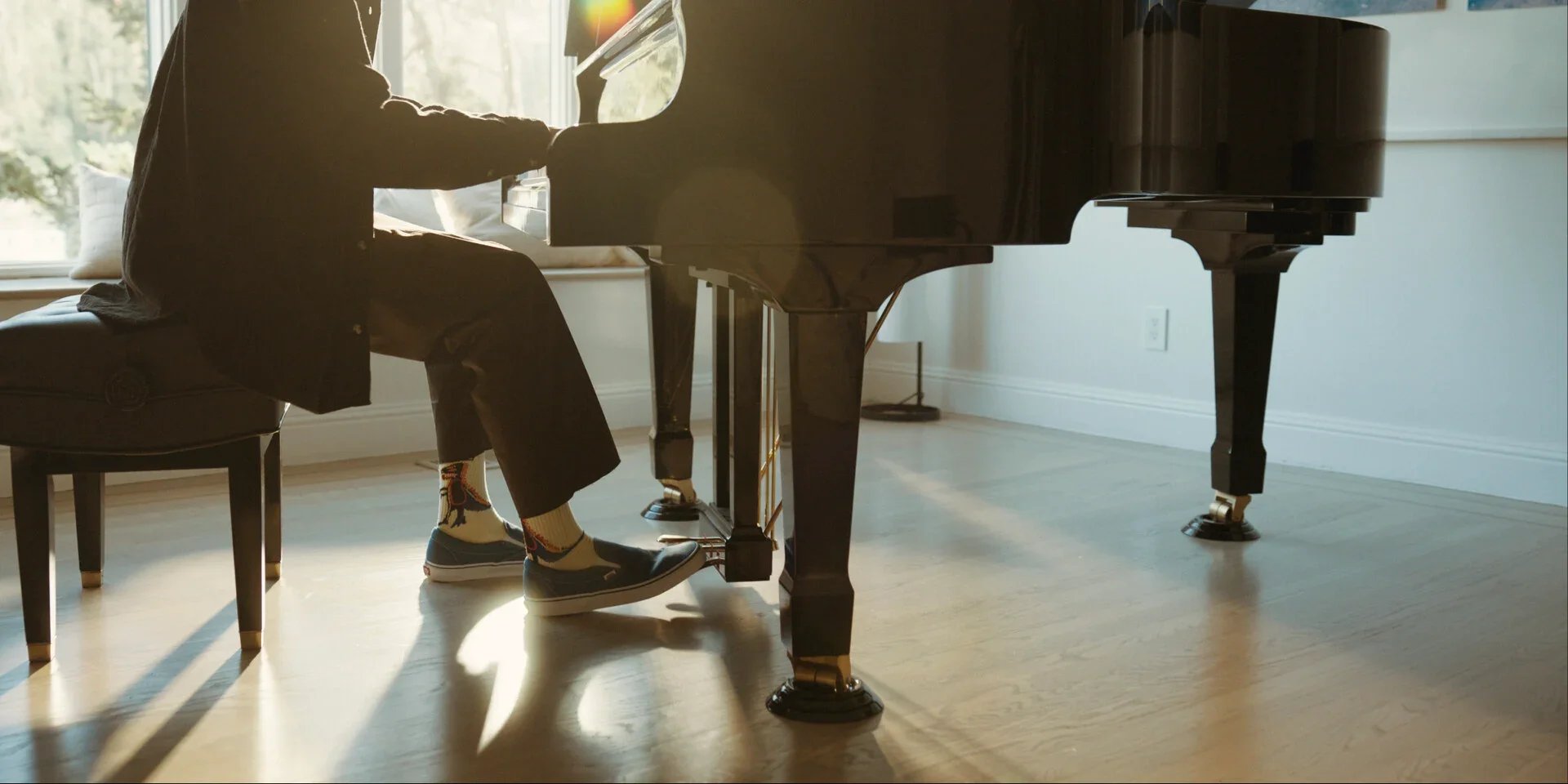
Teddy (played charmingly by Charlie Besso) is a high school student passionate about piano, practicing intently for an upcoming youth competition with cash prizes. To his overbearing mother (played by Heather Burns, who walks a thrilling tightrope of understated terror and exaggerated concern), piano practice is a temporary distraction from the permanent stakes of his SAT score. Although the stakes of Teddy losing his passion for piano is made extreme by the potential loss of his hand, the feeling of sacrificing genuine curiosity for what looks good to college is relatable.
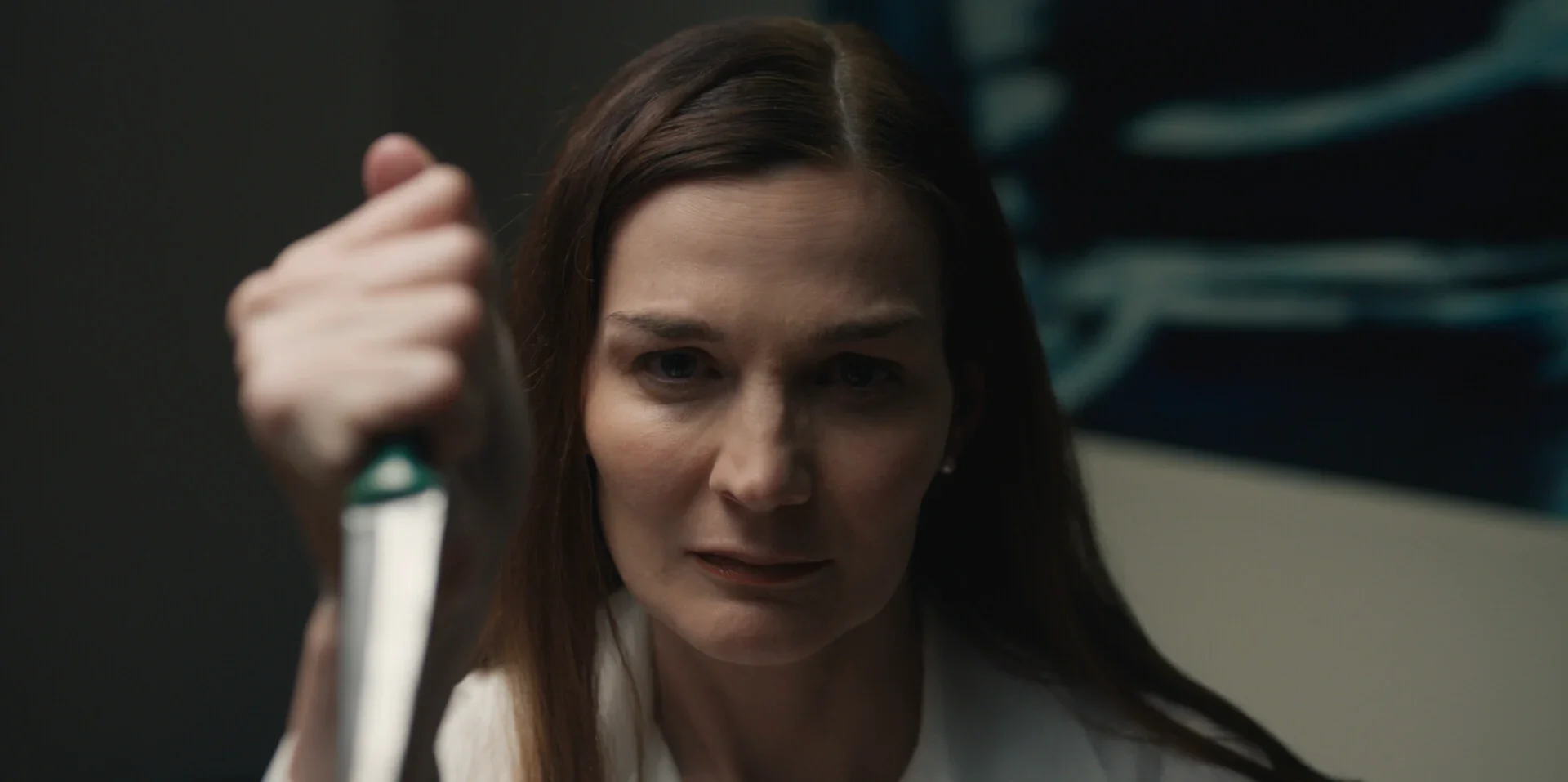
“Kids are completing activities that they think we'll get them into college, not necessarily what they love to do,” Dimaio observes. “While I think some of that is part of life, it can be taken to extremes to where kids don't have enough time to enjoy the things that they enjoy doing or to be kids or to hang out. . .It's like ‘how much is too much?’ when it comes to building your resume to make the colleges happy.”
Dimaio believes the depersonalization of the admissions process has only worsened over time. “When I was in high school, I didn't know my best friends’ grades or test scores. We just didn't really talk about it,” he recalls.“I think [these days] kids are very aware of what their peers are doing, and they really understand that their peers, their friends are their competitors when it comes to colleges.”
In the film, two students eagerly accept a hand injury for more time on the SAT, bragging about their raised score to each other and to Teddy. The pressure from parents and scholarly institutions extends beyond the classroom, creating a cutthroat (or cuthand one might say) social atmosphere.
Dimaio and I shared frustrations with parents’ emphasis on elite colleges and their narrow imaginations. “There's a really high value on these prestigious schools, and everything has become more nationalized because of social media,” he explains. “You go on social media and you see people talking about the same 10 to 20 schools.”
In one of the film’s funniest scenes, the mother imagines Teddy’s future. She alternates between visions of him on the streets and visions of him in elite college website banners —brilliantly satirizing parental anxiety. “You're either working as a waiter at a cafe or you're working with an astrophysicist at Penn, but there's nothing in between,” Dimaio says.
Over the course of the filmmaking process, Dimaio became a father. “I wrote the script before I had children,” he recalls, “and then I filmed the script when I had one child and then I released the movie when I had two kids.” Fatherhood gave him a new understanding of the mother character, Beth, because of his concerns for his own children. “I'm more empathetic [now], having a child, to wanting a child to do something and then them not wanting to do it,” Dimaio reflects “I don't think you should harm your child to get them to do what you want them to do, but I understand the urge.” Even though Dimaio exaggerates those concerns in Princeton’s, they come from a real place.
Years away from his children’s college acceptance ride, Dimaio and I discussed how admissions culture might change in the next two decades. He highlighted how changing demographics will lead to fewer children applying to schools and how generative AI is being used for college essays. In imagining the future, Dimaio gets to the heart of his concerns as a parent and as the filmmaker of Princeton’s in the Mix: “I hope that there is some way for the colleges to change the system so that we're not torturing these kids. I mean, obviously, my film is a parable. It's a metaphor. Not really what's happening. But I think [for] a lot of kids, there's a lot of angst and sadness built into the system that isn't necessary.”
Princeton’s in the Mix is available to stream for free on YouTube.