
Long Live Female Rage
Movies in India are largely made for men, by men. Specifically, in Hindi cinema right now, high-octane action dramas with a heroic hunk as the central character are rampant. Broadly, this ‘hero’ and his audacious antics are driven by a larger purpose to avenge his family, nation, or both. The women in these stories either exist on the margins, play supporting roles, or serve as catalysts for the hero’s transformative arc.
But who is telling the women’s stories?
Slowly but surely, women are. Specifically, the lead actresses of Hindi cinema. Their foray into production doesn’t just reflect their politics but also reveals deeper intentions: to spotlight female rage.
There is a phrase popularised by film critic Sucharita Tyagi that resonates well: ‘Women Telling Women’s Stories'. When female actors, writers, producers, and technicians put their might behind stories about real women, they cut deep and create a domino effect, leading more female artists to create brave content.
When successful actresses such as Anushka Sharma, Deepika Padukone, Alia Bhatt, and Kriti Sanon launched their production companies, they led with the films NH10 (2015), Chhappak (2020), Darlings (2022), and Do Patti (2024).
Clean Slate Filmz, Anushka Sharma & her brother Karnesh Sharma’s production, dived deep into the heartland with their first film, NH10. The film exposes the thinly veiled ignorance separating urban elitism from rural orthodoxy. When Meera (Anushka Sharma), a corporate city girl, finds herself in a dangerous situation, she is in for a rude awakening about society. After she and her husband witness an honour killing and are abducted by the perpetrators, she realises all her connections and legal recourses are futile in this remote village where even the police are complicit.
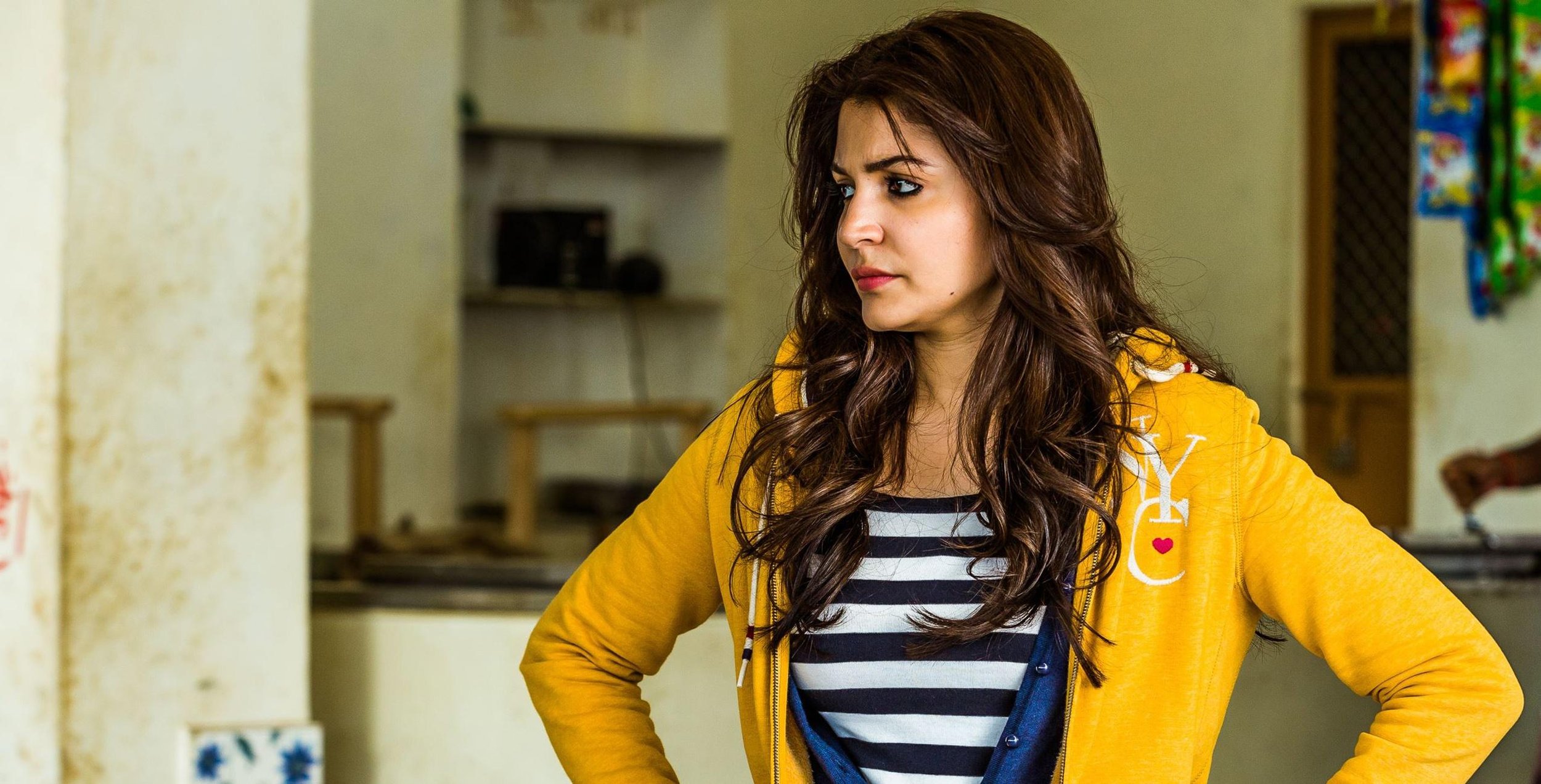
NH10
It is sharply revealed to her (and the viewer) that the ramifications of inequality and misogyny will not spare the ivory-towered people but will just take a different route to reach them. The film depicted our normalised bystander syndrome unless a problem comes knocking on our door (or car window in this case).
The scariest part was that I could see myself in Meera. The way she lowers her gaze when confronted by a distressed stranger and the way she justifies to herself that it isn’t her problem, and how could she help anyway? The fact is, most people in her situation would behave the same way, and maybe that is an issue. Our collective resolve not to meddle in matters empowers those who rely on our chosen blindness. On one hand, our survival instinct prompts us to look away and remain safe. On the other hand, the ‘distressed stranger’ in question could very well be us someday.
Both Darlings and Do Patti highlight how abuse is witnessed, quietened, and suffered through until someone decides to fight back. Alia Bhatt’s debut production, Darlings, is a dark comedy that lends a unique satirical twist to domestic abuse. Directed by Jasmeet K. Reen and co-written with Parveez Sheikh, this film challenges the way such stories have been told before. The comedic aspect of the film disarms the viewers, only to hit them with harsh truths in intervals.
Kriti’s production debut, Do Patti, follows similar themes but with a more dramatic tonality, as is the trademark of screenwriter Kanika Dhillon, who also transitioned into producing with this film. The film boasts one of Sanon’s career-best performances as she sank her teeth into the twin roles.
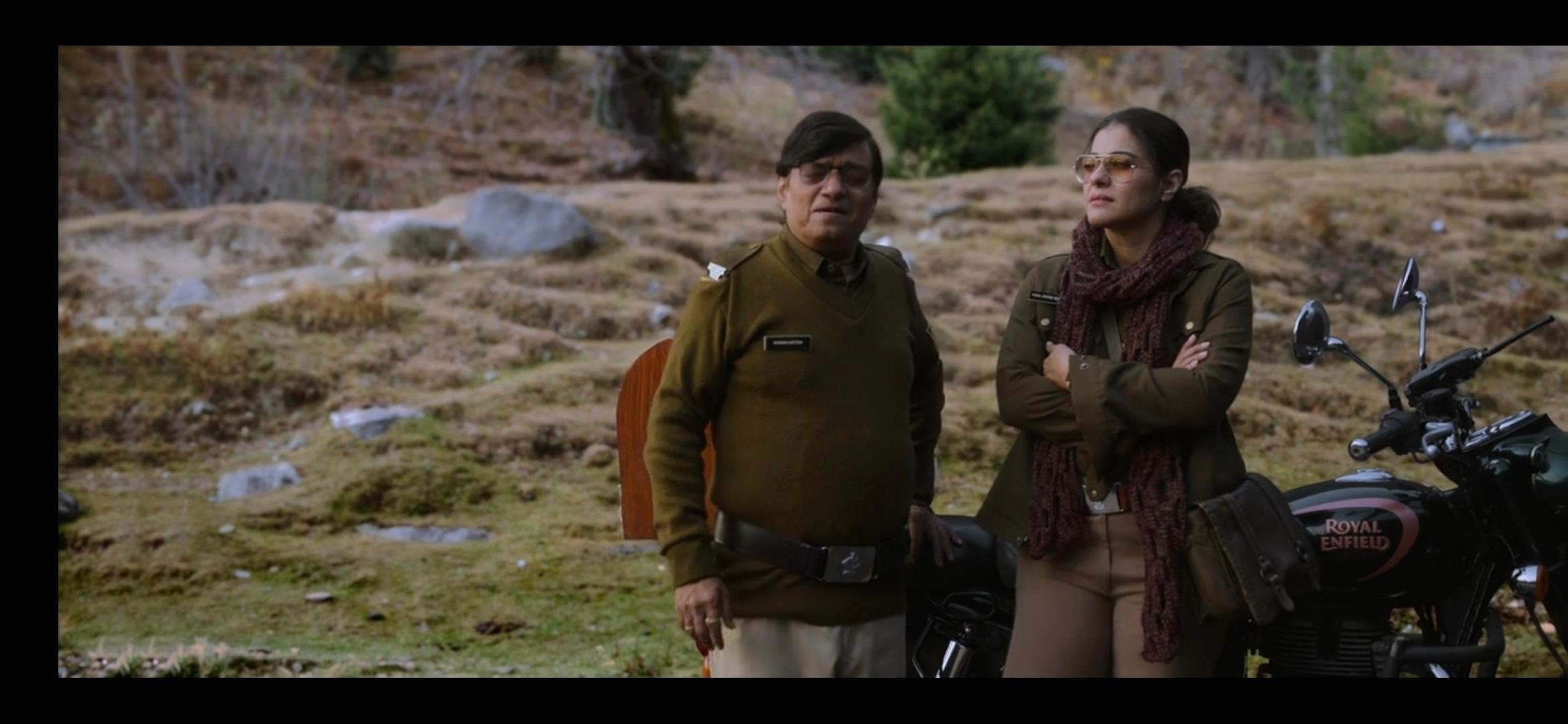
Do Patti
A similar treatment of a sensitive subject can be seen in Meghna Gulzar's directorial, Chhapaak, an uncomfortable yet important watch about the real story of Laxmi Agarwal, an acid attack survivor. Padukone, one of the most striking faces to grace Indian screens, not only shed every ounce of vanity for the film but also decided to financially back it under Ka Productions.
These stories have neither ‘perfect victims’ nor feigned idealism. The female protagonists of the films take justice into their own hands to bypass a broken system. Even the men who offer to help them are no knights in shining armour; at best, they are empathetic allies, which makes the films all the more truthful. You would think in a collectivist society that boasts its strong familial ties, a woman would find support. However, one only needs to pick up last week’s newspaper to defeat such imagination. A woman is routinely left alone to deal with ‘personal’ issues, further alienating her.
It is no coincidence that all four of these titles featured heavy, hard-hitting themes surrounding women’s oppression. Mainstream and extremely popular, these actresses are often presented in a pleasant, conventional, and somewhat male-centred manner. However, when they are actively engaged in the filmmaking process, they use their star power, capital, and marketability to tell moving accounts of women’s everyday lives. Marriage is shown in a glaring light with all its inequalities. The depiction of intimate partner violence is not romanticised, glossed over, or overly stylised. In fact, the cruelty is revealed in disturbing detail.
This is not to say that men can’t tell female-focused stories well; some do. However, intent is paramount. One can tell in Sanjay Leela Bhansali’s representation of women that he adores them, with all their complexities. However, his approach towards women is almost godly. The way he sees and portrays them has an air of worship, as if he places them on a pedestal.
But say, when Zoya Akhtar or Reema Kagti make films, they knock women down from said pedestals and place them in real situations. A courtesan in a Bhansali film survives at all odds, but a sex worker in Kagti’s Talaash (2012) finds no dignity even in death. That is where the core difference lies, where the female lens comes in.
This invisible lens is also strongly felt in movies with female screenwriters. Let’s take Thappad (2020) for instance. It was a poignant film on domestic violence that zoomed in on male-female relationships and got down to its root in casual misogyny. When Amrita’s (Tapsee) own mother does not treat her getting slapped as a deal-breaker, we feel anger towards her, which later turns into compassion. As the film progresses, we understand that this is her misguided way of trying to protect her daughter. Her opinions are strongly coloured by internalised misogyny and unfulfilled dreams. She does not know how to be a mother to a defiant daughter at her age, so she seeks compromise.
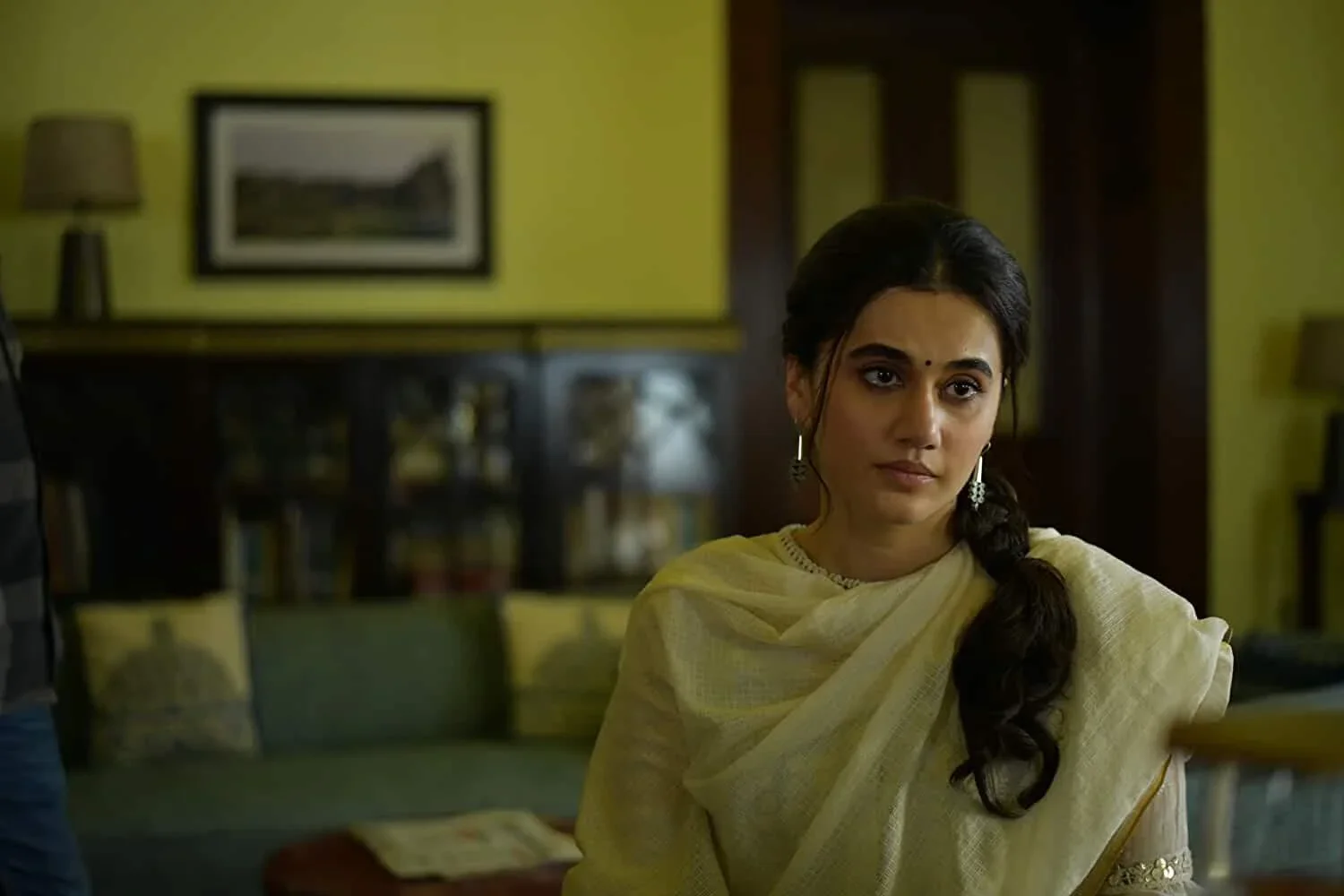
Thappad
When director Anubhav Sinha was asked about his own understanding of patriarchy, he honestly said that many of the microaggressions in the film came from his own experiences of wrongly perceiving women in his younger days. So, where does the sensitivity in the story come from? It stems from co-writer Mrunmayee Lagoo. She brought an intimate perspective to the storyline. From Tapsee’s body language to her repetitive morning routine, Lagoo poured her personal experiences and observations into the story, making it more authentic. And what is more real than the heartbreak of seeing your mother lament her unlived potential?
Such core female experiences are the crux of Shoojit Sircar’s beloved film Piku (2015). The slice-of-life film centred on a father-daughter relationship finds its tenderness in Juhi Chaturvedi’s nuanced writing. Chaturvedi’s observational writing is so sharp that it doesn’t need grand events to make a point. Simply seeing Piku (Deepika), tying up her hair in a bun, or taking a sigh of relief when alone is enough for me to know and love her. She is independent, irritable, smart, responsible, lonely, and deeply caring. She is me; she is my sister; she is so many women I know. Very few female characters in the last decade have resonated so deeply with women, proving that the first-hand experiences of a people can be portrayed more realistically when an insider is at the helm. A female lens is indispensable for telling the story of female angst.
This makes me think of Anvita Dutt, a renowned songwriter, dialogue writer, and screenwriter, who stepped into the director’s chair with a biting, feminist voice. In Bulbbul (2020), Dutt’s directorial debut, and Qala (2022), her sophomore project, the visual motifs and the stunning cinematography captivatingly stand in direct contrast to the violence in the films. Both films were also produced by Anushka’s banner, cementing the actress’s standing as a producer with a socially conscious vision.
The main lead, Triptii Dimri’s performances in both films garnered critical praise, but did either give her the career boost that Animal (2023) did? Sadly, no. A small cameo in a borderline chauvinistic revenge drama garnered her the attention that she deserved for her earlier, more meaningful works. This speaks a lot to the stereotypical box that the masses like to watch female characters in, where she is beautiful, meek, and sexually objectified.
Triptii was declared the ‘national crush’ while simultaneously being trolled for taking up the role in Animal. Simply because she owned the choice, and a woman performing sensuality on her terms is not digested well. People (men) liked to see her in the role but preferred it if she were red-faced about it. This points to the larger problem of how women are viewed in Indian society.
Apart from the blatant hypocrisy, there are structural barriers keeping women’s stories from having mass reach. Almost all these films went straight to OTT platforms, and the one that did release theatrically (Chhapaak) was embroiled in controversy due to Padukone's support of JNU student protests at the time.
I, for one, did watch the film and found it quite painful to sit through. That is the thing with such films; they feel like bitter medicine. And India likes its cotton candy cinema. We are largely an escapist audience; we go into the theatres to forget our demons, not to come face-to-face with them. We sweep these films under the carpet just as we do with the actual incidents.
Still, there is an audience for such films, and it seems like the makers are hesitant to go all in, given an already unstable theatrical market in India. While it’s true that most experimental and niche subjects are slotted as OTT material, and taking that route is financially more feasible, how can female stories become mainstream unless they are given the chance?
Kiran Rao had a film release after 13 years. Laapataa Ladies (2024) opened theatrically to an underwhelming response. However, after its Netflix release, it not only exploded but even became India's official Oscar entry for the Best International Feature Film category. Thus proving that the path of greater glory for female-driven stories is paved with women’s resistance. It is when women take the initiative for self-representation that the needle moves. When they keep fighting through box office biases and keep narrating their angry stories, we are all better for it.
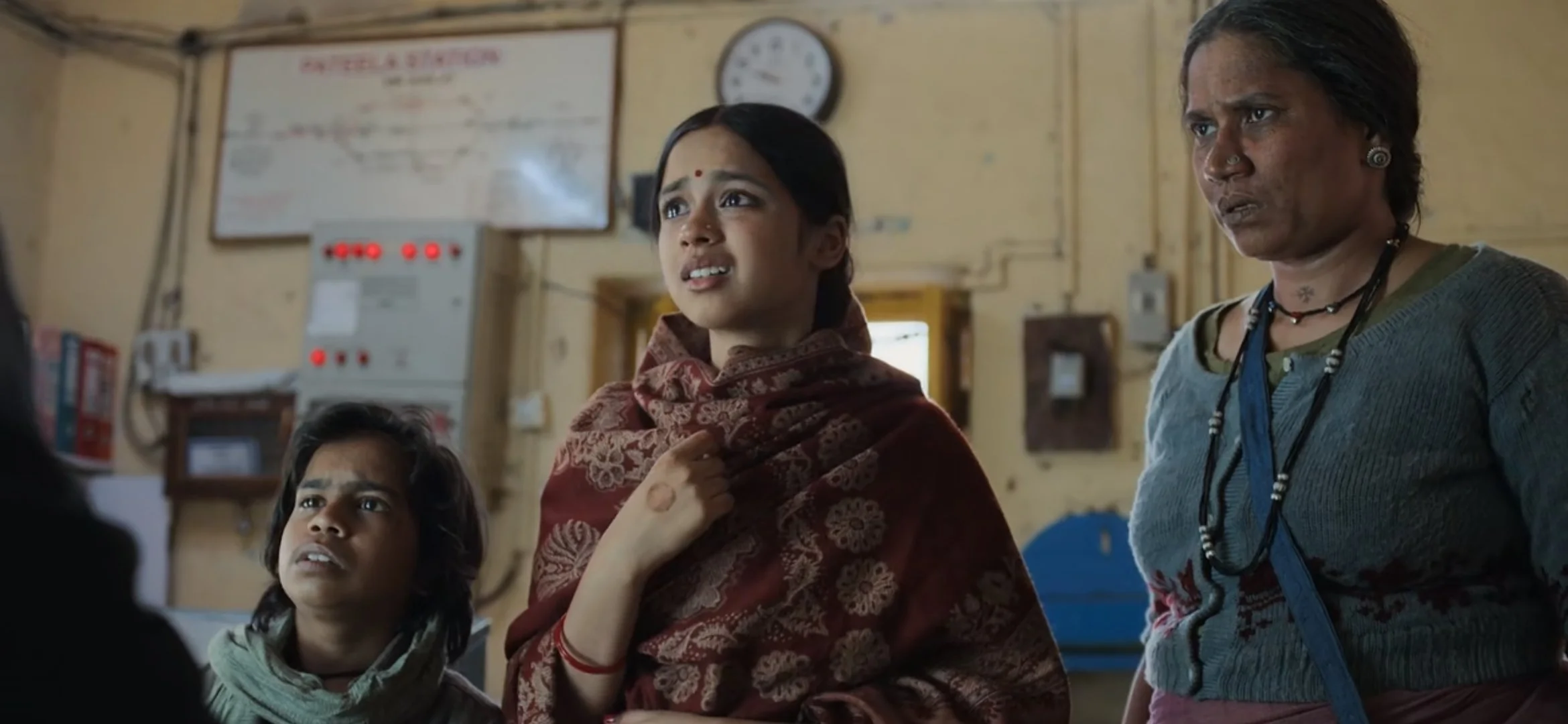
Laapataa Ladies
Recurring collaborations such as Anvita Dutt-Triptii Dimri and Kanika Dhillon-Tapsee Pannu have always produced interesting work with unique perspectives. It’s time we saw more such partnerships between female creatives as a rising number of women get behind the cameras and into the writing rooms. As more and more of them own a stake in storytelling endeavours, the stories we tell will evolve, or rather, a whole new genre will be uncovered at the hands of brilliant, rage-filled female artists.
A scene from Zoya Akhtar’s Gully Boy (2019) comes to mind. I just know all women felt a knot in their throats when Safeena (Alia Bhatt) opens up to her conservative parents about wanting to wear lipstick, meet boys, and party with friends, only to get slapped by her mother. Such simple desires, yet so strongly unattainable for many. The pain and tiredness in Safeena’s voice in that moment feel like a nod to the multi-generational angst nested in the mind and body of every Indian woman, bearing the repressed emotions inherited from mothers, grandmothers, and foremothers.
The reason they make these movies is the same reason I wrote this piece. To somehow dislodge the compounding rage and place it outside of my body.
This is a common thread tying all the works discussed above: women using their art as a medium to channel the ancestral rage they carry. All women in these films choose resistance or revenge in some form. Be they the characters or the women behind them, they break the oppressive cycle of silence by transmuting their pain into expression.
We write the pieces, make the movies, and sing songs of revolution because we must do something. But is it enough? The tragic part is that these movies are not all that honest and realistic. I’ve realised the films are almost aspirational in the way some women survive. They get out alive, which can’t be said for many real, breathing women amongst us. But films like these are hope in action. They are needed because if there is a force as radical as rage, it is hope.
Currently, we are in the throes of a hypermasculine, all-guns-blazing mainstream cinema. However, a change is possible as more women bring to life ideas that portray their lived-in worlds. Perhaps the best way to describe this lived-in female experience is through an analogy Anvita Dutt used in an interview with Sucharita Tyagi.
When asked if Dutt is tempted to change her storytelling to pander to the popular narrative, she said, “Suppose I have Ber [jujube fruit] trees in my backyard. So that’s what I’m going to be selling in the market. I can’t go selling 'BLUEBERRIES!’ when ‘Ber’ is what I’ve grown in my own soil. That is what I have farmed and earned, and I will always find someone who wants to buy it when the season is right.”
So long as women are telling their authentic stories, there will be takers. Sure, the blueberries may sell for more, but the ones who really appreciate the Ber will be relishing them.
As you can tell, I really like Ber.