Building Community Beyond the Screen: A Conversation With Film Programmers
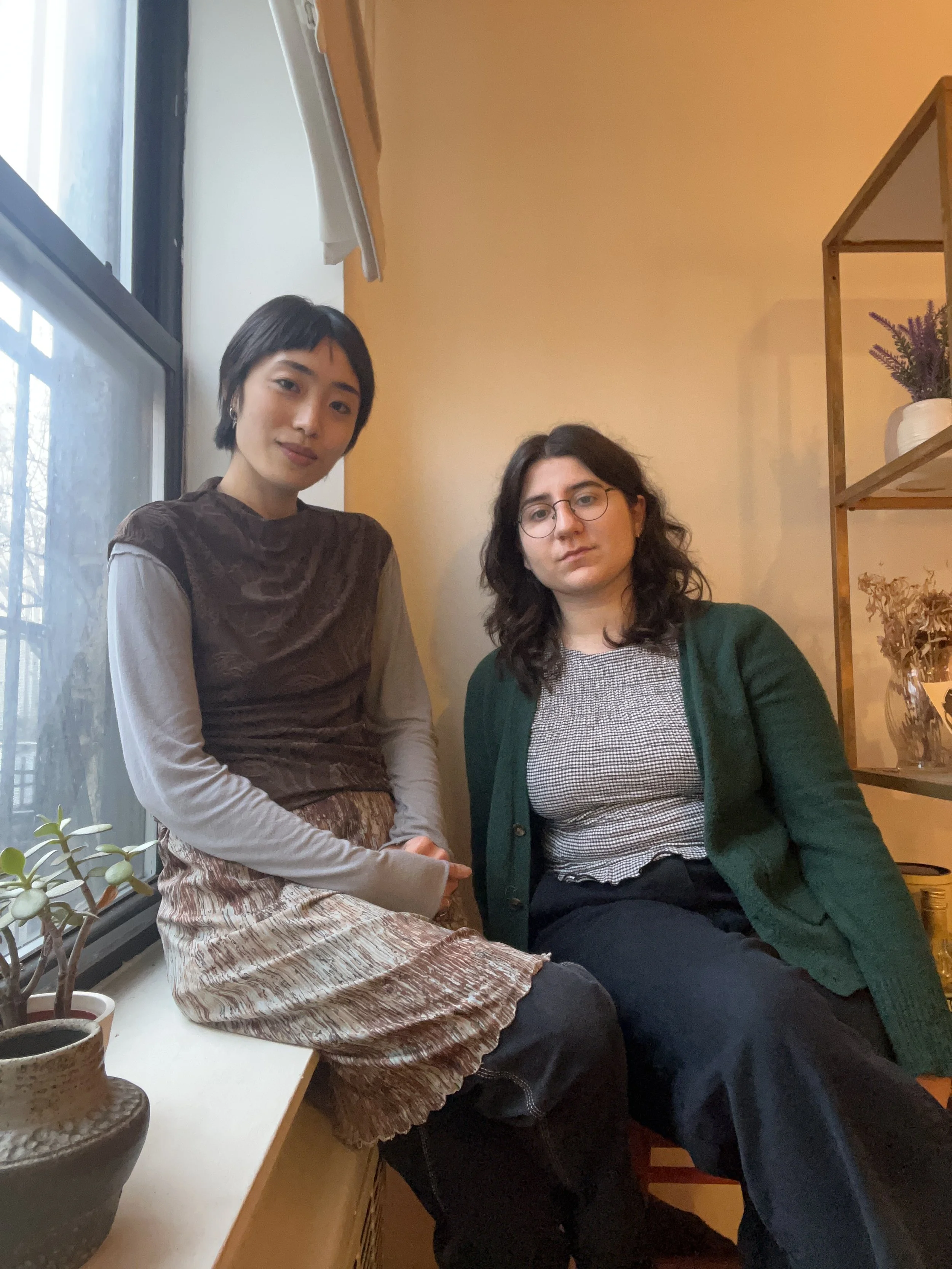
Iris Lin (left) and Nanor Vosgueritchian (right)
There’s something so joyful about sharing a film that you love with a friend who hasn’t seen it before. In a way, you get to see it for the first time again. It’s why I’ve always found film programming to be such a great thing: you get to do just that, on a much larger scale. Of course, when you scale up from your living room to a festival, it becomes a more difficult task. You have to start discerning what films get to be seen (and which don’t), how films can be in conversation with one another, and what you want to say through the art of curation. It’s work that’s highly personal, and like everything, political. For many, the path is fraught with gatekeeping and bureaucracy.
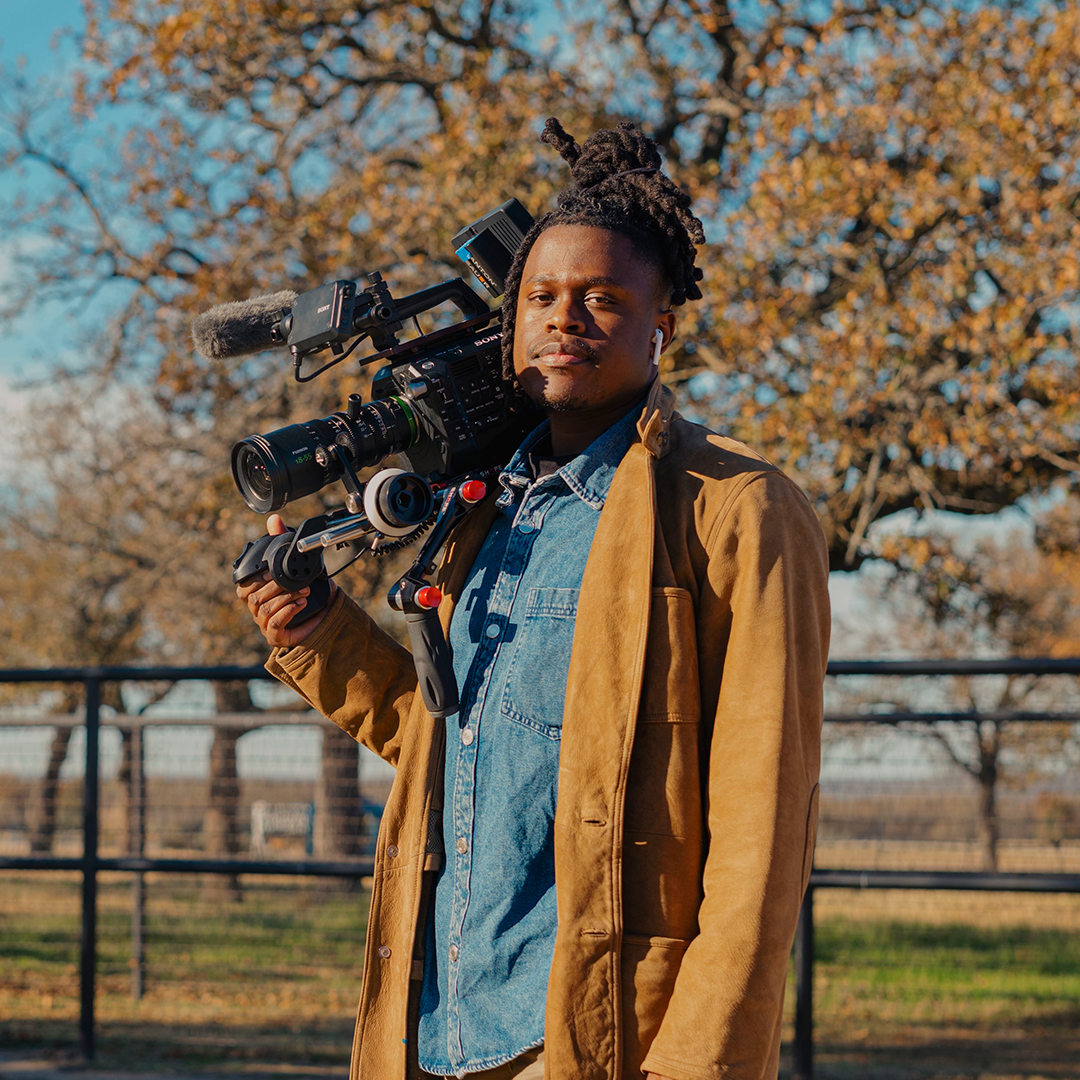
Marquise Mays
Over the past few weeks, I had the privilege of interviewing three programmers to talk about their work, perspectives, and journey into the film world. In March, I interviewed Iris Lin and Nanor Vosgueritchian. They operate out of New York City by way of Taiwan and Lebanon, respectively, and have programmed for local and international festivals. In April, I talked with Marquise Mays, who is a professor at the University of Wisconsin-Milwaukee, a documentary filmmaker, and a former programmer at the Milwaukee Film Festival. After studying at USC, he returned to set roots in Milwaukee and identifies proudly as a Midwestern filmmaker. Though their geographies differ, their shared vision is clear: they see film programming as a way to reject traditional narratives and a way to build community.
For Lin and Vosgueritchian, both of whom moved to the US for graduate studies at NYU Tisch — which is where they met — navigating the film world meant starting from scratch. “We're building a life basically out of nothing in our 20s,” Lin tells me. Living in the US without citizenship presents a multitude of logistical difficulties for people trying to break into the film world. For students on visa, there are significant restrictions around off-campus work. “There’s definitely a desire to do different types of gigs, different types of jobs, try different creative things. Practically, you don’t have that flexibility….It's quite limited, like, when you're an international student or just an international person,” Vosgueritchian adds.
Even for those who aren’t immigrating the morass that is the current state of American immigration law, film is still a hard thing to break into. For Mays, this led to some disillusionment with the festival model of programming. “I see my community of filmmakers, my peers, are making a lot of films, and they’re not getting into festivals as much as they should….The festivals, either around them or the ones they’re applying to, are rejecting them because festivals have programming politics as well. If it doesn’t fit in a program then, sorry, it’s not that it’s a bad film — we just can’t find a fit for it,” he tells me. These politics and constraints are not always within a filmmaker’s control. Even something as simple as runtime, e.g. whether a film is on the shorter or longer side of what is considered ‘short,’ can be a factor in these decisions.
"I think the biggest lesson I had to learn was that...I can't show anyone because I have to wait and pay for a festival to tell me if it's in or not," he reflects. "And then once I get told that it's not in, it's been six months. And the excitement that I built toward completing said thing has died down."
In my view, it can be cyclical: audiences put filmmakers in a box and expect certain stories to explore the same themes, and filmmakers cater to those audiences. The films that buck these expectations are marginalized. Reflecting on her own experience as immigrants, Vosgueritchian reflect on how narrow immigrant cinema can often be, “There are not many contemporary films about migration that are not [about] forced migration or a direct result of some kind of catastrophe, whether that’s a natural disaster or war or political reasons,” she laments. On that thread, Lin points to “mumblecore” as an example of the kind of recognition migrational narratives are missing. Her frustration lies in the fact that while mumblecore is celebrated for exploring the mundane lives of the white middle class, films depicting the everyday realities of migration lack recognition. “I feel like there are so many more diverse people with very complicated and diverse problems that have a similar kind of narrative strand, and would attract people's attention. But no one has presented it in that context.”
There’s a thematic pigeonhole and so many other types of stories that just aren’t being shown. In Mays’ words, “It’s tough. It’s really tough. I think minoritized groups in this country — [and] it’s the same thing I deal with with Black films — are often written like trauma porn. Your film has to have some form of gang violence, or something odd or weird.” How do you deal with that?
They argue that the antidote isn’t conceding to the audience's tastes, but serving them more challenging fare. Mays doesn’t want to program films that make people feel just “okay.” He likes to challenge and push his audiences. He recalls programming Terrence Nance’s An Oversimplification of Her Beauty (2012) and watching people walk out. In Mays’ view, the film isn’t bad, it’s that the audience’s “relationship to it is not fully established.” As part of his philosophy, he likes speaking before the films he programs to give audiences context about the filmmaker and the film they’re about to watch. Maybe it’s a bit “harsh” for audiences, but given how hypnotic and powerful films are, this is a responsibility. “I’d rather them feel fatigued about a film that is challenging as opposed to them feeling fatigued about thematics or theme,” he emphasizes.
The commitment to challenging audiences goes hand-in-hand with a sense of responsibility. For Vosgueritchian and Lin, their experiences outside of the US inform their understanding of films and consequently their attitudes of what to program. “Very specifically with Lebanese films, for example there's so much history — there's a lot of history — that people don't know about,” she says. She goes to mention how she often notices inaccurate (or sometimes just flat-out incorrect) subtitles. Having this understanding translates into a discernment for what audiences should see. For Lin, it’s almost like mixing the medicine with milk to make it go down easier. She explains, “If I were to program a Taiwanese series or East Asian series, there are ways to show some popular films, but then also show the lesser seen or important work. You have some strategy to smuggle in this unique knowledge that you have, that you are eager to present to the world.”
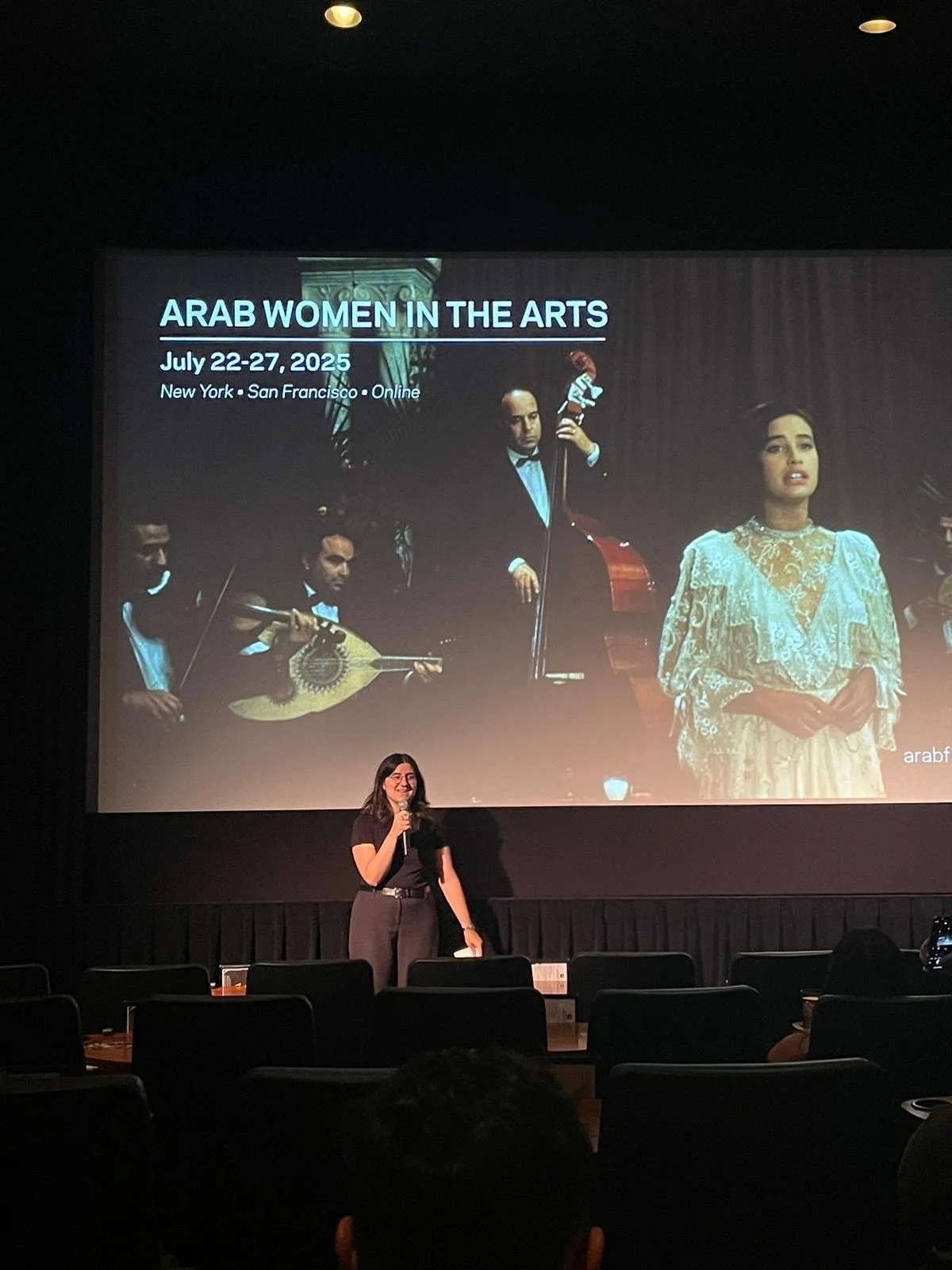
Mays, Vosgueritchian, and Lin all grew up in vastly different contexts, thousands of miles apart. There’s a way that they speak about their childhood experiences with cinema which impresses just how beautiful and universal cinema as a language is. In Beirut, where Vosgueritchian grew up, there was only one arthouse cinema, Metropolis, which hosted festivals. Every year, she would eagerly wait for the festival lineup and go to as many movies as possible. Similarly in Taipei, the scene there was not large, but Lin made do. “I was very fortunate to be able to see a lot of films,” she says. Mays reflects on his local childhood theater in Milwaukee, talking fondly about it as a third space for him and other Black children, which eventually became policed. “One thing my family would do is we would all corral at a great-grandmother's home or my home — me and all my cousins — and that would almost be our form of summer camp….One of my family members, my uncle, would actually get us all in his van if he didn't feel like babysitting us. He would get us all in his van and take us to the movies. And we'd spend a whole day there,” he explains.
Mays touches on the communal aspect of film, and he goes on to talk about his work with indie filmmakers after he left festival programming. “It’s just getting in a screening room and being like ‘Alright, who’s working on a film? Who just finished a film and wants audience feedback and wants to screen it and see how it looks..? A lot of them don't know how to make DCPs. A lot of the folks in my city don't know how to create captions for their films. So, what does it look like to have an educational part where we force them to have this stuff prepared for when they get their first acceptance?” It’s this work with the community he finds much more rewarding.
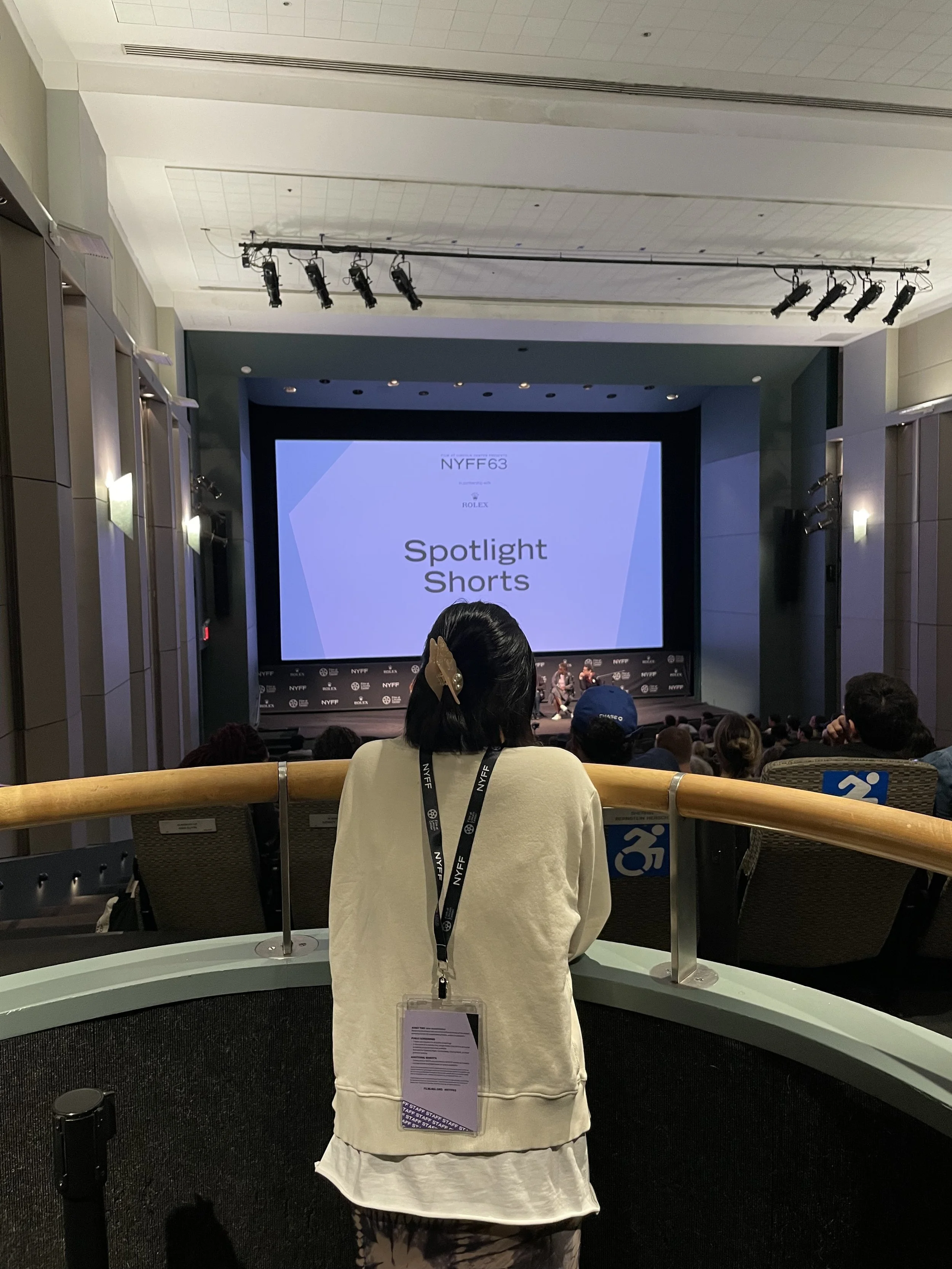
Lin and Vosgueritchian moved to New York in 2021, not knowing anybody, to study for a career that’s notoriously difficult to break into, but it wasn’t difficult to find a community of like-minded people. Case in point: each other. They met in the very first class they took: Cinema, Migration, and Diaspora. Lin recalls the story of sitting down at a table during the first class as everybody introduced themselves. “I remember this girl who's Lebanese-Armenian, and the next week, while we were waiting for the elevator…I was looking at her: I was like, ‘Is that her?’ But I didn't say anything. She looked at me and then was like, ‘Hey!’” The two smile. The rest is history. Finding community in New York isn’t hard: the friends they meet through film often become collaborators and colleagues.
Programming can often seem didactic from the outside. The way Mays, Lin, and Vosgueritchian approach their work however, speaks to their passion and thoughtfulness to what they’re doing. They feel compelled to present their views to audiences, to share something meaningful with them, even if that isn’t always an easy pill to swallow. Vosgueritchian says it best, I think: “When a film is really good, I want to share it with other people. I want other people to enjoy it and appreciate it. That’s really what I love about programming.”