
Katsuhito Ishii on Giant Robots, Everyday Ghosts, and 20 Years of The Taste of Tea
Twenty years ago, Katsuhito Ishii released The Taste of Tea, a surreal, sprawling portrait of a Japanese family that balances mundane domesticity with massive, magical-realist flourishes. From a giant doppelgänger stalking a schoolgirl to a grandfather whose death is met with an animated burst of joy, the film is a weird but comforting masterpiece about the things we carry.
As the film continues to cement its legacy with an HD restoration overseen by Ishii, I sat down with him to talk about childhood regrets, the existence of ghosts, how to process grief, and why this movie is still the purest reflection of his artistic soul.
The HD restoration will open in US theaters beginning on May 8. For more information to go to filmmovement.com.
This conversation was conducted through an interpreter and has been edited and condensed for length and clarity.
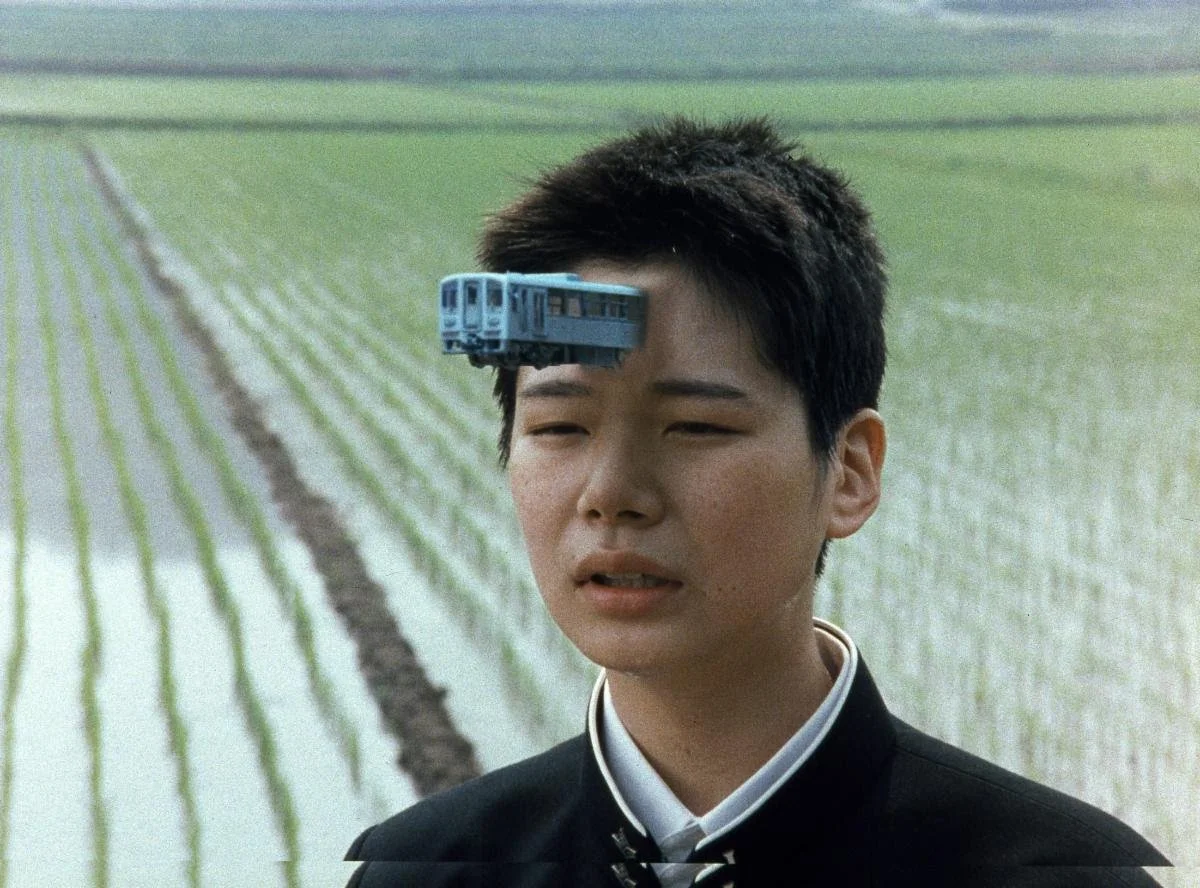
AE: I’d love to start with the film itself. It opens with Hajime, a young boy who is entirely paralyzed by his inability to speak to a girl he likes. Is that based on someone you knew, or were you trying to bring a specific person to life on screen so you could finally see them?
Katsuhito Ishii: If anything, that character is inspired by my own experiences. I had this memory of being a young boy, a student, wanting to talk to a girl but realizing we were graduating before I ever got the chance. I wanted to take that feeling and put it into a film before I forgot it. In that sense, the character is very familiar to me, though he's not based on anyone else from my life.
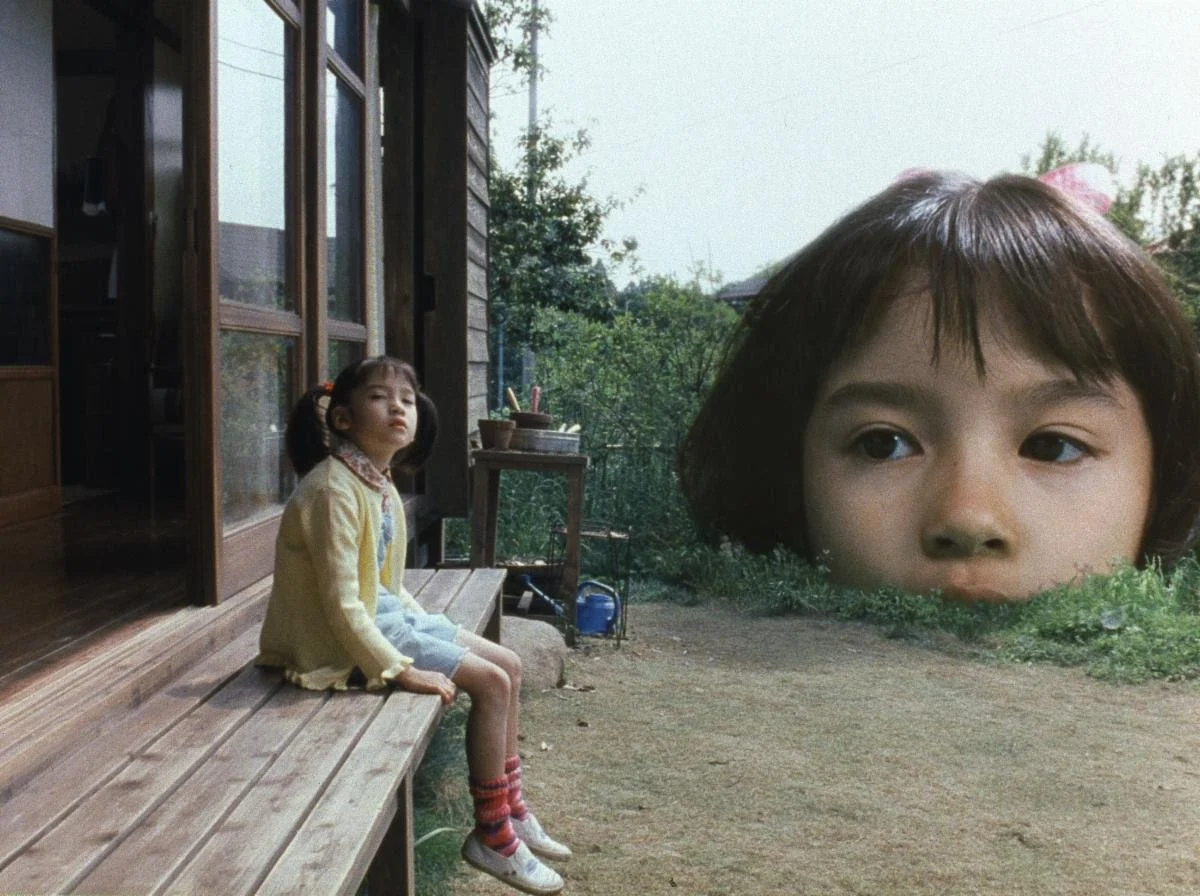
AE: One of the film's most striking running images is a character being followed by a massive, giant version of herself. It feels like you’re trying to outrun something larger than yourself, which is a very strange, specific thing to invent for a child. Where did this giant come from? Was it a visual homage, or a manifestation of a presence you had carried within yourself?
KI: I’ve always been a fan of contemporary art, specifically the idea of contrasting something very large against something very small. Visually, that was always so interesting to me. I traveled all the way to Venice once just to see a black-and-white film featuring an artist and a whale dancing together in the sea, and it was deeply impactful. I also grew up with Japanese giant robot animations. When I was a little kid, I would stand in the backyard or go to a big field and just try to visualize the sheer scale of a giant robot standing right in front of me. That feeling factored into how I thought about the gigantic.
But there is also the idea of ghosts. I know three people who can actually see ghosts. They don't know each other, but the stories they tell about their experiences are so similar that I think it's pretty undeniable. They all say the exact same thing: a ghost looks just like an ordinary person. It's only when an actual living person enters the room that you realize the first person was a ghost. I thought that would be an interesting story to put in the film, so I mashed those two ideas together: what if a ghost, or a presence, were gigantic?
I totally believe in them. My family even had a situation back home where they saw my feet peeking out of a futon while I was napping, even though I wasn't actually there. I know I'm not dead, but I think these kinds of supernatural things can totally happen. I really don't question it.
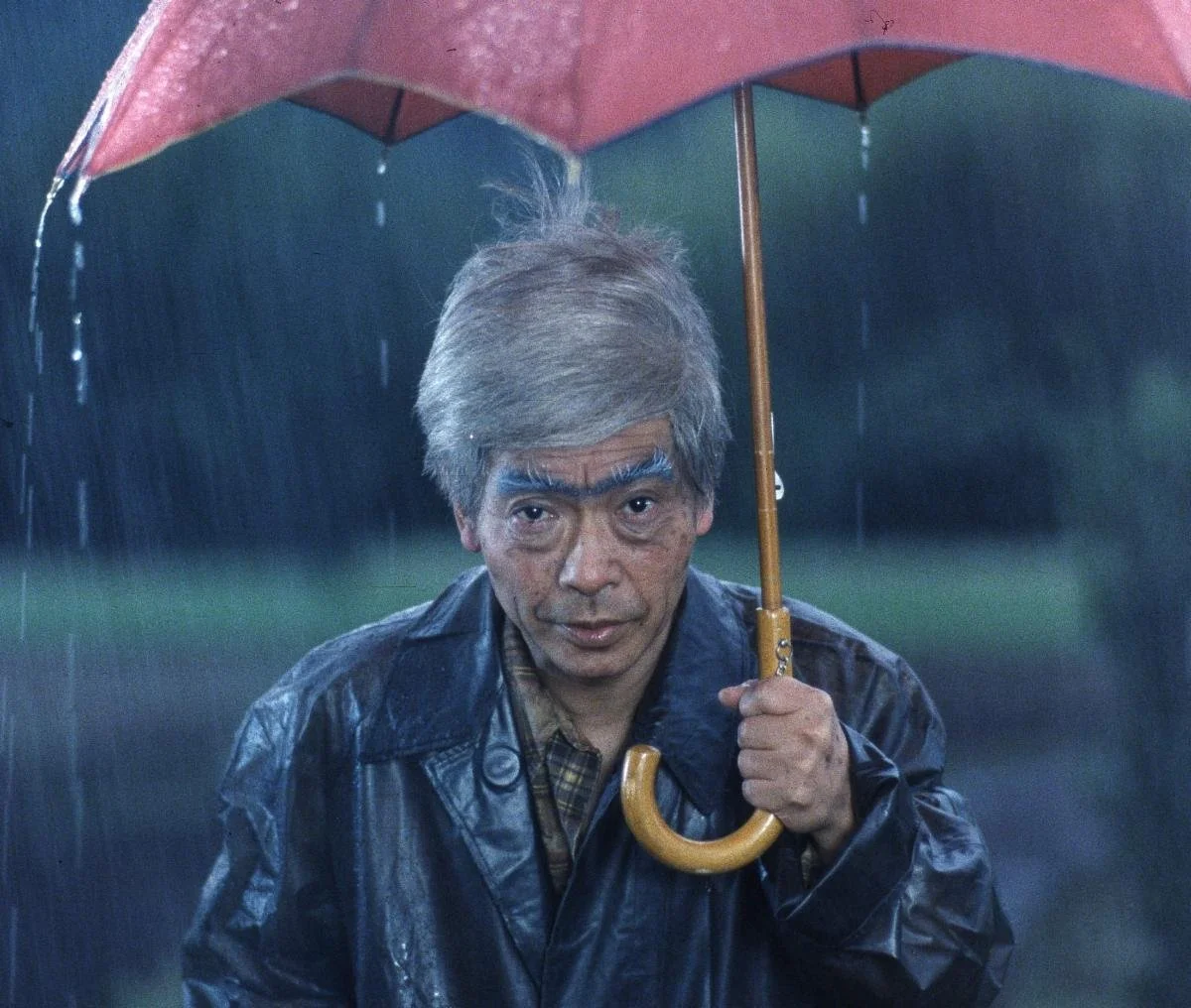
AE: The character of Akira, the eccentric grandfather, sees everyone and helps everyone. When he eventually passes away, the film doesn't slow down; instead, a profound joy seems to follow his spirit. Having recently dealt with the passing of a grandparent myself, I found myself returning to this film specifically for the happiness embedded in its approach to grief. What was the inspiration behind this unusually beautiful tone, and did making the film change your own relationship with death?
KI: We live in a culture in Japan with a Buddhist idea of there being eight million different deities and gods, so there is a spiritualism naturally embedded in the culture. But there is also an author named Saito Hitori who writes these popular books on how to live and understand life. He wrote that when you die, you're simply born in another world. Especially after hearing the miraculous experiences of my friends who see ghosts, I’ve always believed this. When you die, you're just simply reborn somewhere else. It doesn't mean something has ended. That is just my perspective on life and death.
I can't say exactly what I was thinking twenty years ago when I made the movie, but I do remember thinking of the grandfather as an ideal. I'm single and I don't have kids, so I'm not going to be a grandparent. But the ideal is a man who can play with kids and have a nice relationship with everyone in the family, even despite the small bickering.
In the movie, he leaves behind a flipbook. For me, it's like drawing manga in secret, never showing my family, and then when I die, they find the artworks and it's a surprise. I don't really want to dwell on things I'll never understand anyway. My perspective hasn't changed. I just hope we leave here and are reborn somewhere even better.
AE: The Taste of Tea is arguably the film most synonymous with your name. It's a magnificent, deeply personal piece of art, even though the breadth of your other work is often much stranger and weirder. When you watch it now, does this film feel like the truest reflection of yourself?
KI:The Taste of Tea is absolutely the film that is most richly filled with all of the things I wanted to do. In my films prior to this, and even after, there is always a slight influence from the producers managing the project. When a producer says they think you should change something, even the smallest change can feel really huge and impactful to a director.
In that sense, The Taste of Tea is really my own. The producers would look at it and say, "I don't know if this is interesting, and I don't know if this is funny," but they let me do it. Part of that has to do with the fact that there was no script; we were working completely off of my completed storyboards, so there was no room for outside opinions. That really benefited the project. I was definitely worried the reception would be mixed, or that people would think it was too "high art," but thankfully it reached a really wide audience. So yes, I would say this is my most successful film for myself.