
The Worst Person In The World and The Deconstruction of the Perfect Adulthood Timeline
When you’re a kid, it feels as if there’s a mental timeline of when you would go through and achieve your dreams as an adult. “When I’m XYZ age, I'm going to get married to so and so,” or, “when I'm XYZ age, I'm going to be living in [insert city name] here doing XYZ.” We all have dream timelines of our lives, no matter how different our dream milestones look.
When I was a kid, I admittedly envied how my parents’ generation was in adulthood. Go to college, find the love of your life there, get married in your early to mid-twenties, move to a new city, and have a few kids and a house. When I was little, I wanted that to be my timeline. In a way, I thought I was on that path.
Last summer, it felt as if things were lining up; I found a community in the city I moved to, interned at my dream workplace, and was in my first serious relationship. Then things changed. I graduated into one of the worst job markets in years, went through an unexpected breakup, and moved away from the community I worked so hard to build. The path that I once saw before me is gone, and I'm learning to navigate a new reality.
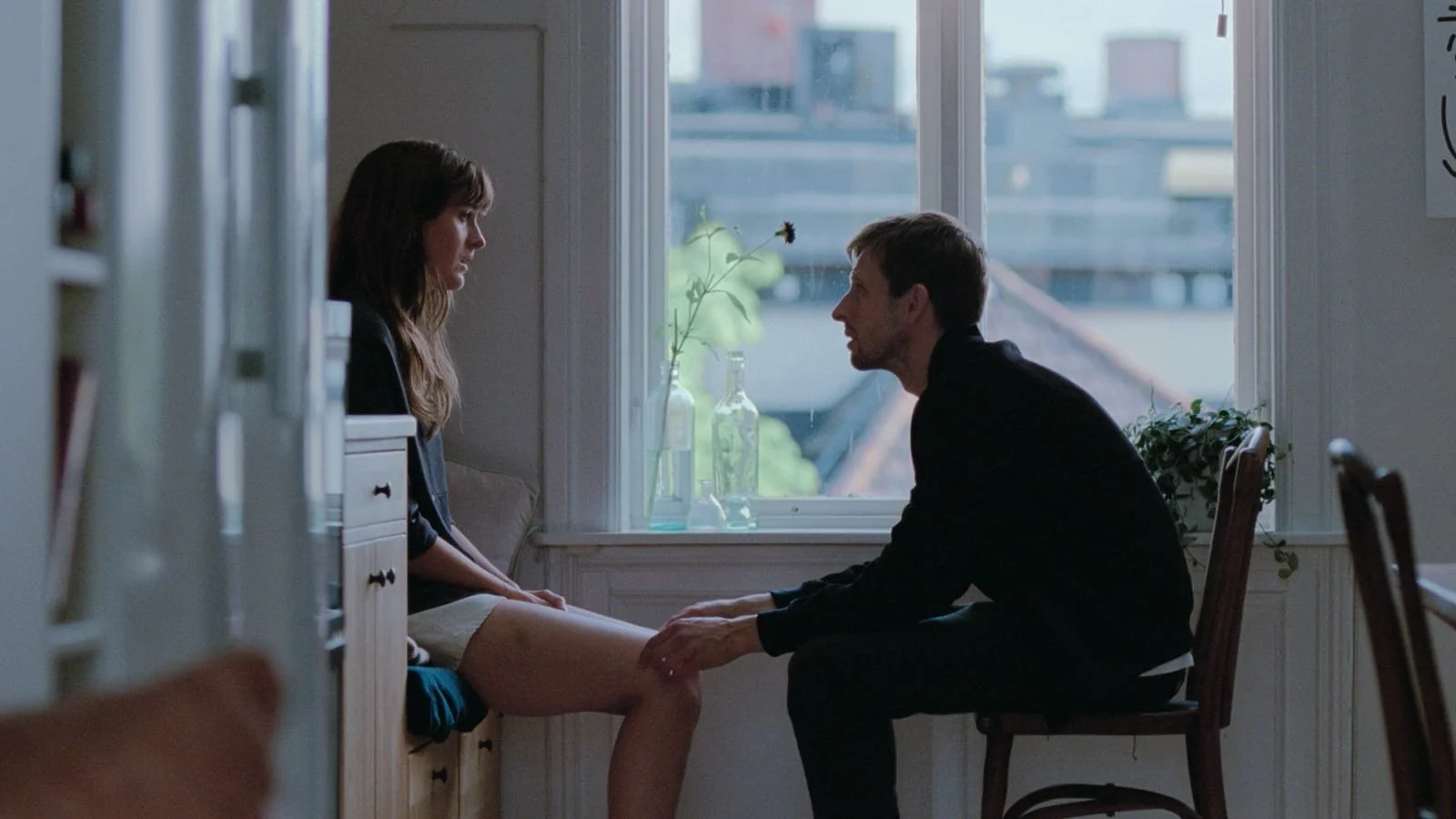
As I saw my friends and peers on social media advancing in their lives (i.e: getting engaged/married, new jobs, moving, etc.), I felt as if I was working to forge my own path in my twenties. To be honest, it's a bit exciting to be making my own path for my twenties, but it can be confusing at times. Shouldn’t I have already accomplished or achieved “X, Y, and Z” milestones as my peers have at 27?
During this transitional period in my life, I got into watching films as a way of self-care, and one film that I kept hearing about is Joachim Trier’s The Worst Person in the World. Supposedly a perfect movie for those navigating their twenties, I decided to put the movie on via TUBI and found myself quickly immersed in Trier's filmography and Renate Reinsve's performance.
The Worst Person in the World follows Julie, a late twenty-something woman, and her experiences with love and heartbreak. Your very first introduction to Julie is when she's in university and struggling to decide on which major to pursue. At one point, it's medicine, then it's psychology, and finally, photography. This, in my opinion, is a great attempt for the audience to relate to the main character and get an understanding of her indecision. I mean, who didn’t go to university undecided about what they wanted to pursue? I for sure did.
You then see Julie pursue a romantic relationship with Aksel, a cartoonist played by Anders Danielsen Lie. The couple has a huge age difference, and Aksel's friends mostly have children. One of the earliest (and biggest) instances of tension between the couple is the timeline of wanting to have kids. While Aksel wants to have children as soon as possible, Julie is unsure when or if she wants to have children. The differences between the couple start to grow as Julie becomes interested in Eivind (played by Herbert Nordum), a young man whom she meets at a party she stumbled into. In one of the movie's most iconic scenes (and also the main cover of the film), Julie imagines herself running towards Eivind in a world gone still. After coming back to reality, Julie comes to her senses and decides to break up with Aksel. Aksel, taken by surprise by the breakup, asks Julie if she's sure that she wants to pursue this decision, to which she does.
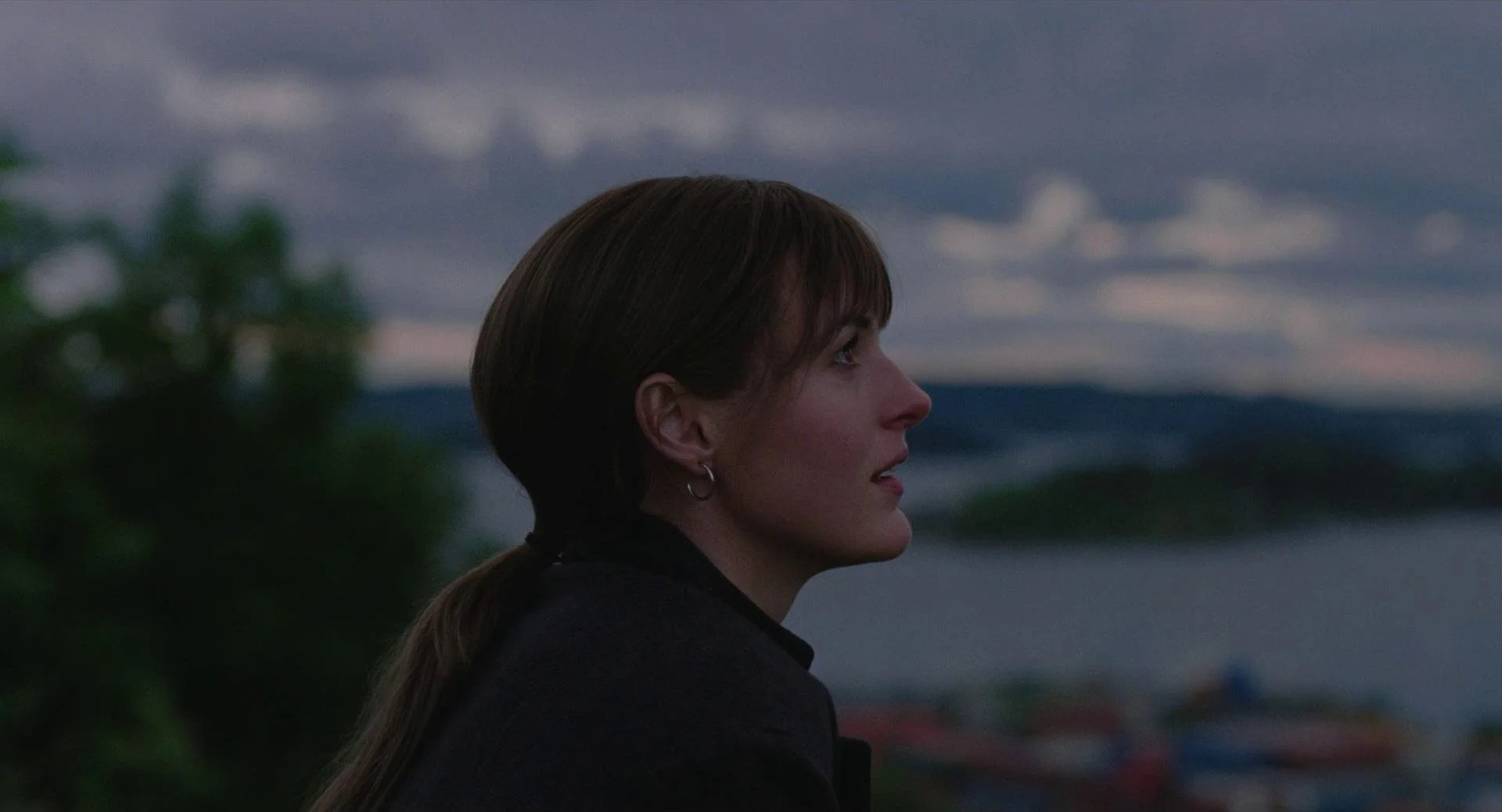
Breakups are tough, especially if there’s a mismatch on what both parties in a relationship want out of it (i.e. compatibility). Whether it’s a disagreement on having kids or what kind of relationship you want (casual, no-labels relationship vs a long-term committed relationship), it’s not the end of the world if a relationship doesn’t work out because of compatibility issues. I dated people I liked, and it didn’t work out due to wanting different things out of life. It’s ok and I wish them the best as we both find the things we’re meant for (be it a relationship or something else)
To me, that scene, aside from being visually mesmerizing, feels like the imagined daydreams of all the possibilities a twenty-something could do with their life. I would be lying if I said I didn't think about what would happen if I had chosen another opportunity or even asked out someone I thought was cute. Now, instead of wondering what could have been and living with regret, I’ve decided to get out of my comfort zone and do the hard thing, like Julie did. A few things that I've been doing to get out of my comfort zone more is volunteer and also going out to more social events to meet more people and potentially make more friends
Another scene I found very strong was Julie's birthday. When Julie turned 30, the narrator goes to discuss the women in Julie's family and the life milestones they achieved before or by the time they were 30 (particularly with having kids). It can be hard not to compare yourself in your mid-to-late twenties while others seem to be settling down in their lives, be it relationships or a career.
I often see people online around my age lamenting and wondering if it's too late to achieve milestones in their lives. Similarly, Julie ends up reconnecting with Aksel when she learns that he has cancer. During the reconnection, Aksel worries that he won't have a legacy to leave behind. I'm not even thirty yet, but I know that life is only just beginning. I will find lasting love and community again, and I still have time to achieve all that I dream to accomplish. Until then, I’m finding love and fulfillment by spending time with family and friends, volunteering, and engaging with my hobbies, such as creative writing and watching films.
At the end of the film, you see Julie working as a photographer for a film, living her own life, while you see Eivind with a wife and child.
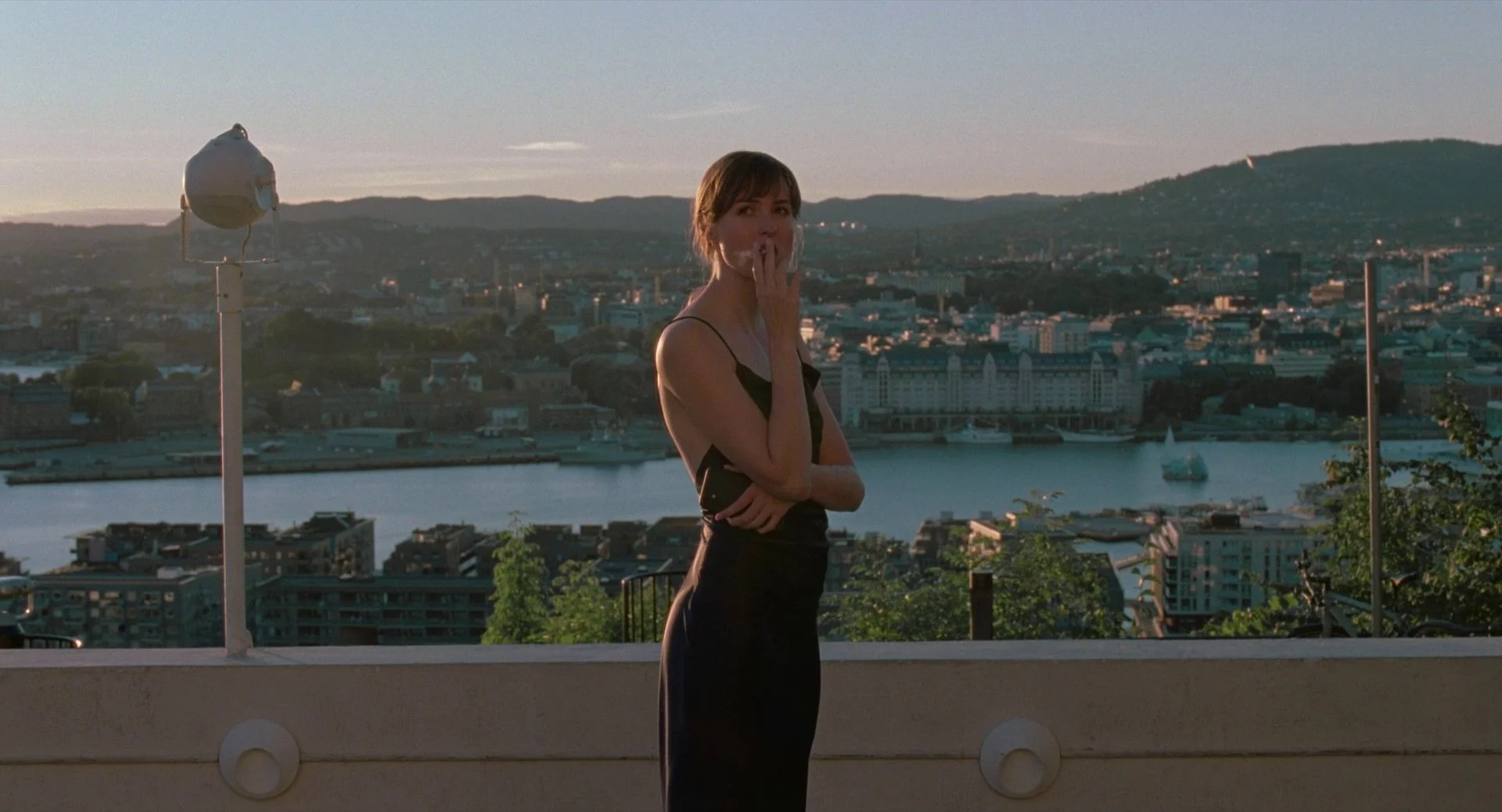
When I turned 20, I had no idea what I even wanted to do or even wanted to major in. I thought I would graduate college, get a good job, marry someone wonderful, and start a family. At 27, my life is vastly different from what I imagined, and it has been a wonderful surprise. I had the opportunity to move out of my hometown and live in two different states. I also got my master's degree, got journalism bylines in places I dreamed of, and traveled a lot.
My life is only just beginning and I have yet to experience all the beautiful things that my life has to offer.
For a lot of my fellow twenty-somethings who are confused during this transitional period in their lives, it's okay not to have everything figured out at the moment. Heck, no one has it figured out, and no amount of curated social media highlight reels will change that. You don’t have to have a significant other, house, or kids at the moment (or at all if you prefer). Your timeline is different from your peers. Things fall apart, whether it's the relationships you thought would last or a change in plans.
But things will come around again in due time. Send your love and congratulations to your peers on different paths, but continue walking your own path like Julie.