
Return to Y2K: An Interview with Ayden Mayeri, Director of Summer 2000: The X-Cetra Story
Ayden Mayeri spent the summer of 2000 making an album with her friends Jessica Hall, Janet Kariuki, and Mary Washburn. They were ten years old and called themselves X-Cetra, recording their voices over German instrumental tracks and burning songs onto CD-Rs with holographic star sign inserts they handed out to anyone who’d take one. Making things at that age felt good, so they made things. Twenty years later, when Mayeri transferred the camcorder footage to digital, she found herself watching the moment she lost the magic of creating without being perceived—or what she now refers to as unselfconscious girlhood. Mayeri’s tapes gave her access to that shift in real time. At eleven they were making things freely, and by thirteen that freedom was gone, replaced by the paralyzing awareness of being perceived.
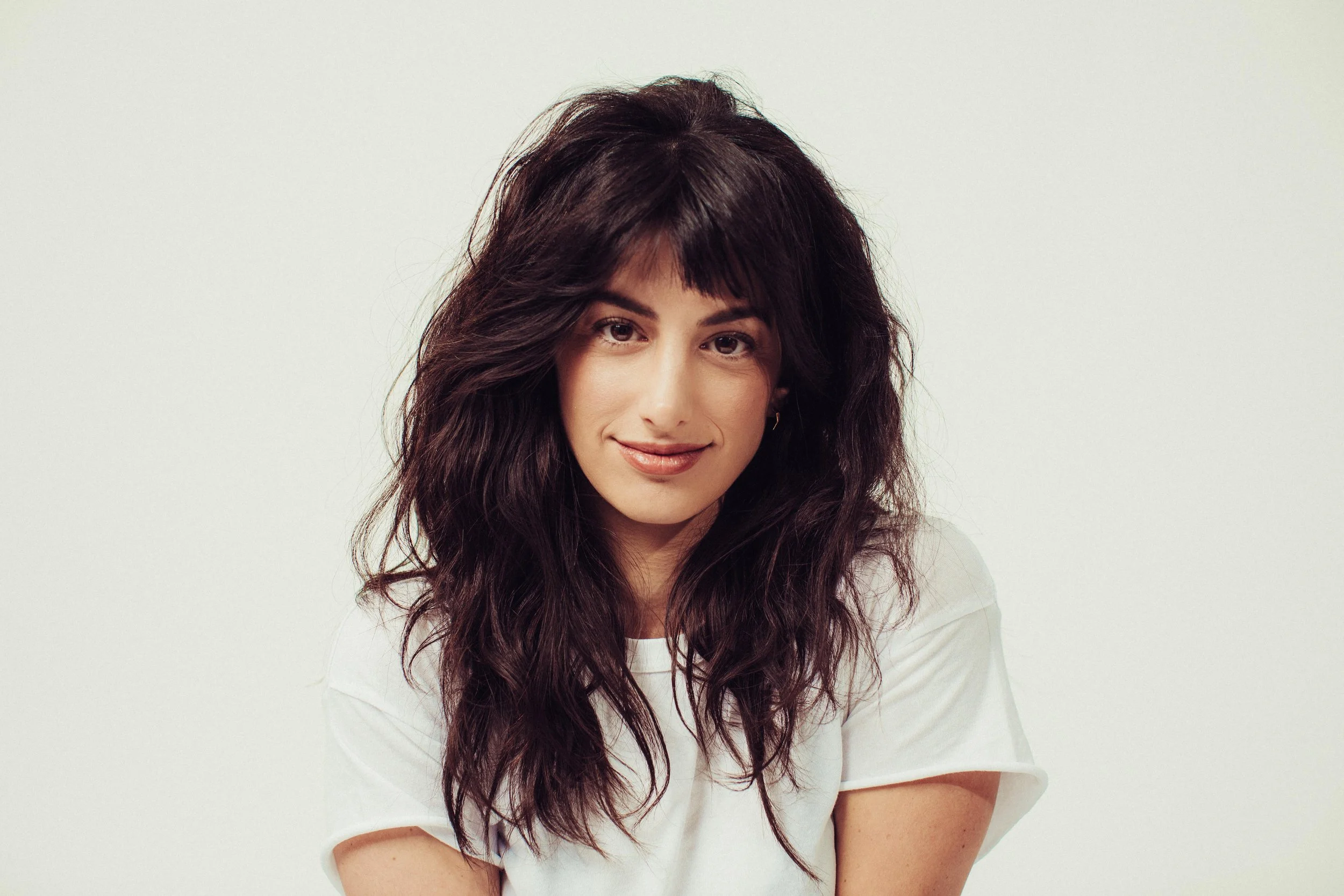
“You see us turn about thirteen, and the lights start to dim. We stop making stuff, we stop being creative entirely because we became self-conscious and aware of being perceived, asking what do guys think of us, what do our peers think of us?” They drifted apart, the album forgotten for twenty years until someone uploaded it online and it found a cult following. Numero Group reached out in 2023 about a vinyl reissue. “It was so cool to watch, because we were like, wow, we were pretty prolific and super talented, actually. We were making full feature films at ten years old.”
Her documentary, Summer 2000: The X-Cetra Story (premiering at SXSW), revisits that era before she learned to split herself apart. Making the film helped her close a loop she’s been working through for years in her acting career—finding her way back to creating without categorizing herself, without flattening contradictory parts into something digestible. Watching her ten-year-old self make things purely for the joy of it, she could see how far she’d traveled to get back to that state. “I didn’t ever imagine anyone would see it. The internet didn’t exist how it exists. There was no TikTok. So it wasn’t as self-conscious in the making of it. And it wasn’t for anyone.”
Mayeri’s relationship with being perceived was exacerbated by an entertainment industry that demanded she pick a category. “I was going out for all the ethnic roles. They’re like, ‘Latina! Indian!’ And I’d be like, but I’m not, and I think people who are will know I’m not.” People framed the rules as helpful career advice. “It was like, well, you can’t ever play the lead because you’re ethnic, only white people can be the lead, so you’ll be the best friend. Really well-intentioned people told me that when I first moved here all the time, because that was the rule in Hollywood.” She tried to fit herself into boxes of identity that didn’t capture her true self. “At first, I was hoping to be white passing, because I wanted better roles.”
Hollywood has a tendency to extract geopolitical grief and trauma from minority actors as the price of admission. Mayeri was a victim of this pattern but still refused to accept it. “I didn’t grow up in Iran, and I grew up in Northern California, and I don’t speak Farsi, but it is a huge part of me. I have this big Persian family, and we’re not all one thing. I think, especially with Iran, so much is going on. Devastating stuff is going on there, but I feel like when people talk about it, it’s all devastating. And I’m like, Persian people are so cool. Like, they are so smart and funny and creative and not just devastation, you know?”
Years of trying to create her own space led her somewhere simpler. “It’s like, you’re in between all these categories, and I realize, ‘oh I’m just a girl.’ And that has felt really cool.” Building a third space outside the industry’s binary of white lead or ethnic sidekick meant accepting all the contradictory parts of herself rather than flattening them into something digestible. She found projects like Honeyjoon, where she was allowed to be herself without splintering—an Iranian-American daughter navigating grief, aging, and reclaiming pleasure. Mayeri was actively trying to find her way back to a time she couldn’t put words to and didn’t realize she was getting close to until the documentary brought her back to a time before she learned she was supposed to choose.
Inability to see herself on screen extended to other facets of her identity beyond ethnicity. Growing up, Mayeri watched countless movies about boyhood, but girlhood rarely got portrayed the way it actually felt. “Whenever I see young girls portrayed, it’s like, oh, aren’t they sweet and pretty and nice? And I’m like, no, little girls are little frickin’ rascals. They’re wacky and pervy and crazy and dark and weird, and, you know, it wasn’t until maybe PEN15 that I saw anything that felt that honest about what it was really like.” The show captured the chaos she recognized, the weirdness of being that age before you learn to sand yourself down.
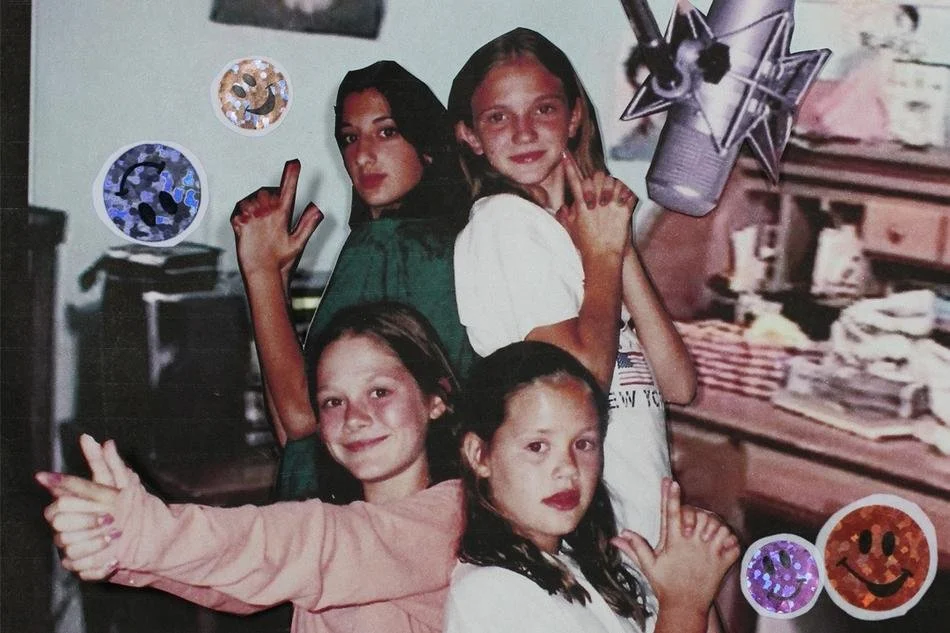
To make the documentary, she had to return to girlhood and that meant bringing her childhood friends back together, dragging them to their hometown for a mandatory sleepover where they screened their old work and finally said things they’d never had words for at the time. “All this stuff went on unsaid between us as friends. We were best friends, we did everything together. But when you’re that age, you don’t really have the words yet to express hurt feelings or maybe trauma you’re experiencing. I think it’s really rare to have the excuse of, let’s get everyone together and talk about stuff we never said to each other. It really was a beautiful way to repair our friendships, and also it felt like unburdening ourselves.”
Watching herself at ten years old forced her to stop trying to banish the versions of herself she’d learned to find embarrassing. “The thing you’re trying to banish from yourself ends up becoming your defining trait, because you’re not dealing with it. Actually letting it all in and addressing it all feels pretty relaxing. I feel like an integration happened after this, where I feel more myself. I’ve made peace with my darkness, and my younger self, and it’s all kind of here with me, instead of trying to be just one thing. We can be all things.”
Choosing to put that uncut childhood reality on screen feels deliberately counter to everything about how people curate themselves now. “Somehow in this era, there’s a lot of darkness out there, there’s a lot of bizarre messaging you’re getting on the internet. But just saying we’re gonna be ourselves, and we’re gonna be honest, feels like an act of rebellion. It feels brave in some way to just do it, and share it.”
Mayeri was able to reach back across twenty years to an eleven-year-old version of herself who spent a lot of time wondering what kind of person she’d grow into. “I remember being 11, 12, wondering what I was gonna be like. You know, you see these cool older girls, and I used to be like, am I gonna be pretty? Am I gonna have big boobs? Am I gonna be cool? Like, I hope so.” She gets to answer those questions now. “In some way, it felt like I actually communicated with her, and was able to be like, look at what I’m doing now! Look at what we’re doing! And what you made then was also cool. You were cool, you are special. As a kid, I felt really unremarkable and uninteresting. I was always like, oh, I’m not anything special. And then you get to grow up and be like, actually, you are special. I am special. You get to tell yourself that, and that feels really expansive.“