
Sara Robin on Reclaiming Your Attention in the Algorithmic Age
A few years ago, filmmaker Sara Robin realized she struggled to make it through a single page of a book. "I was a big reader growing up, so that was a scary realization, really. I felt like I'd lost part of what makes me me. And I wanted it back. I wanted it back really bad."
What happened to her is happening to everyone. Parents are watching their kids' brains rewire in real time. People in the workforce are watching AI learn to do their jobs faster and cheaper. Anyone who's tried to focus on anything for more than five minutes lately knows something fundamental has broken. We're living inside systems designed to fracture attention and monetize our inability to think clearly, and the people building those systems have no intention of slowing down.
Your Attention Please, Robin's documentary premiering at SXSW this month, grew out of her lived experience. It was also born from the larger crisis we're all living through and the question of whether any of us can actually do anything about it.
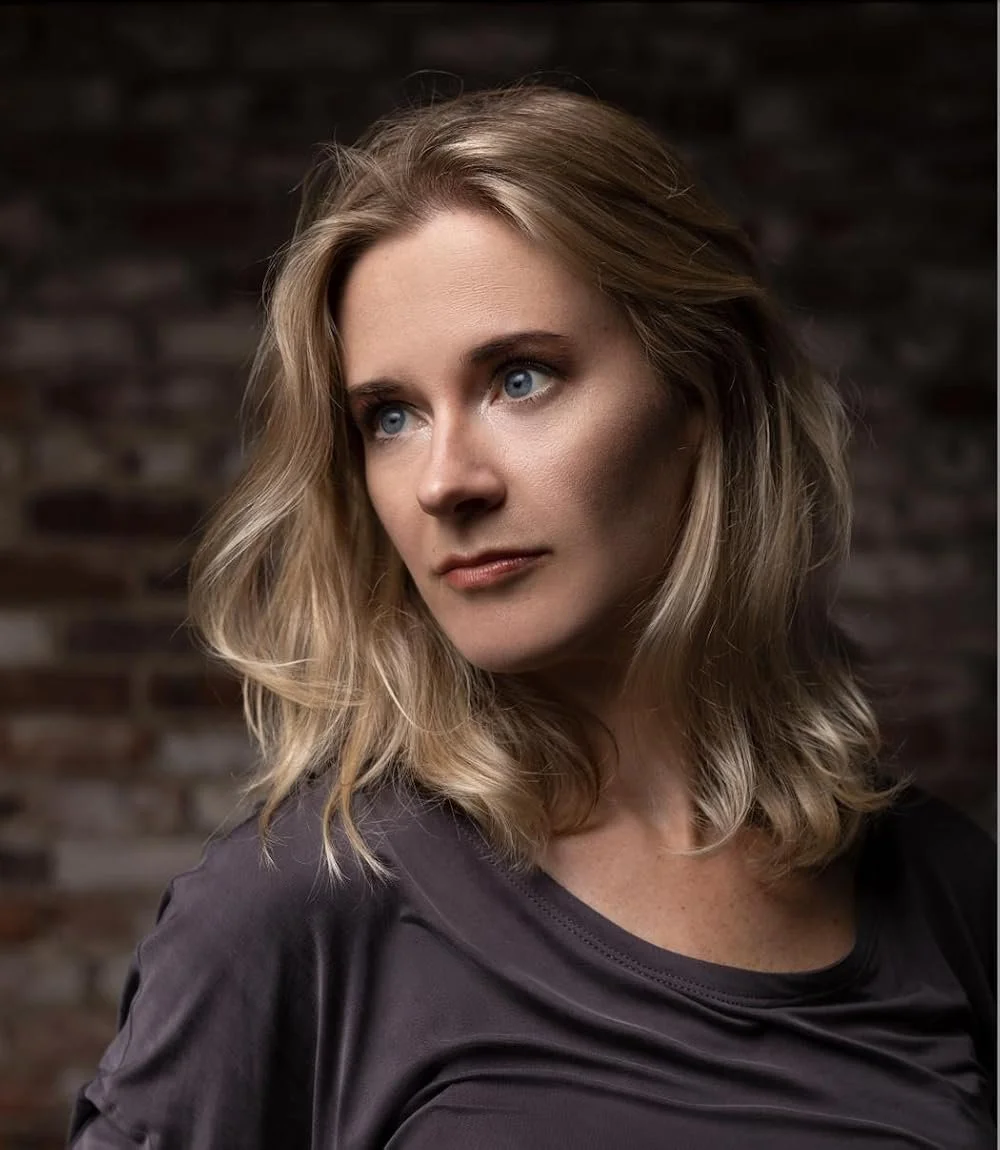
The tension between algorithmic speed and human feeling is what colored the actual creation of the film. How do you make something about slowing down for an audience whose cognitive endurance has been systematically destroyed? "We debated this a lot, especially in the edit room, especially when questions came up around pacing, and the tone and the style of the film," Robin says. "We really wanted to strike a balance where we recognize where people are at, and the kind of information environment that we've gotten used to, and the pace we've gotten used to, and... that the algorithm prioritizes. And so we did speed it up more than... we naturally would as documentary filmmakers." But Robin drew a hard line against stripping away all the friction. They resisted advice to speed up the film and protected moments that invite viewers to slow down, to sit with discomfort. "Feeling takes time. It takes a little bit of letting something echo you... sitting with it. And... that's something that, as a culture, we've mostly lost. Things don't really sink in. So, really, the conversation centered on what does it take for something to sink in here, and how much can we stretch that without losing the viewer's attention."
Confronting our digital captivity is brutal because putting down the screen leaves us alone with ourselves. The algorithmic feed acts as an anesthetic against the friction of being alive. "Yes, spending time in person and being confronted with real human beings is difficult, and is inherently more difficult than hiding behind a screen, but it's also a lot more fulfilling," When we reach for our phones, we're choosing what feels easier in the moment. "It's always easier to just, instead of putting yourself out there, to just sit on a couch and scroll on a Tuesday night. And so oftentimes, that's what we choose." But the calculation is wrong. "In the short term, the choice seems to feel better. But in the long term, we realize we miss out on something important." Robin says. "It is actually what we need to have a sense of a fulfilled life, to feel alive."
Robin maps out three avenues of resistance: better technology design, individual habit formation, and regulatory intervention. In her film, she features subjects navigating all of them: Trisha building technology to fight cyberbullying, Kristin fighting for legislative change after losing her son to suicide, and The Offline Club (a global movement founded in Amsterdam with the goal of rejecting technology) who make boredom and unplugging into radical political acts by rejecting screentime. In developing the documentary, Robin faced intense pressure to streamline the multiple narratives. "In designing this initial approach to the film, there were a lot of conversations about boiling it down, boiling it down to one thing, it's stronger, it's easier, it makes for a more compelling story," Robin recalls. "And I push back against that, because I truly believe it takes all three, and different people resonate with different things. And for me, honestly, depending on the day, I'll resonate with a different one." All three have played a part in her own life. While systemic change is vital, she argues individual action matters too. "Personal choices are also really empowering, because you actually have agency there. You can make change. And even small changes, for me personally, have made a huge, huge difference."
Her own story proves this. Losing her ability to read sent her on a course of developing better screen time habits until she could enjoy reading again. "These things are incredibly empowering, and I definitely would encourage everyone to, especially once they've seen the film and are inspired to go out and experiment with that. Especially with tech habits, you don't have to fix it all to see massive improvements. Small changes can make a big difference."
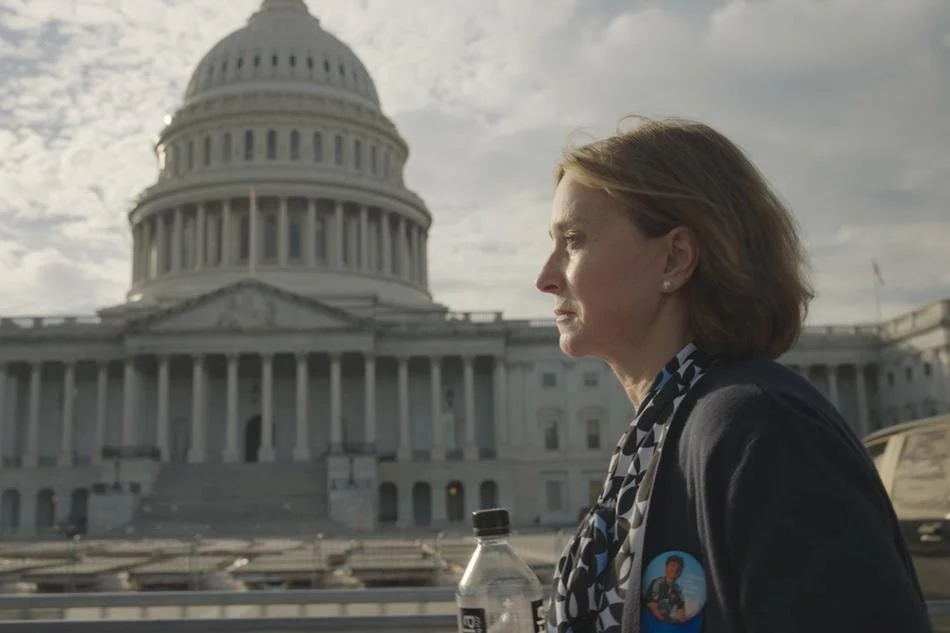
The Offline Club became central to what Robin was documenting because they've resisted every pressure that normally destroys movements like theirs. They could have gone global by now. Instead they've stayed small, local, deliberate. "They have really resisted growing too fast, and prioritizing that kind of brand growth. And instead, [they] made sure that all of their events are genuinely reflective of what they stand for." Instead of chains, they opt for mom-and-pop shops already committed to bringing people together in genuine community settings. "So they're very deliberate in that regard, and given the attention they have gotten, they could... they could be all around the globe right now, and the reason that they're not is that they made a choice to grow slowly and responsibly. And... it's very rare to see that these days." This insistence on analog community proves the current crisis isn't just adults projecting anxiety onto a changing world. "What makes this very different from past so-called moral panics is that we're really seeing young people speaking out about the issue themselves. And that's something that we wanted to make sure we represent in Your Attention Please."
The paradox of resistance is there's no pure escape. You have to use the tools of the attention economy to survive inside it. Robin finds herself living this central irony. "Oh, I'm absolutely as trapped as everybody else," she says when I ask where she actually lives in all of this. "And especially if you want to stay engaged in the world, and you want to be part of the discourse, it's almost impossible to opt out, at least to opt out to the degree that I would like to." She jokes about it but the contradiction is real. "The irony of making this film is that I'm online more than ever, right now." She's learned that the only sustainable approach is structured oscillation. "I've also learned through the last couple of years that an important tool for me is to have times where I can unplug and be off, and then times where I really throw myself into it. So that there are opportunities to reset, and some kind of semblance of balance, at least, is achieved. But I'm absolutely plugged in, and there are certain things I've been able to improve, and there are certain things that I'm still wrestling with, and I'll probably continue to wrestle with."
If opting out entirely is a myth, the question becomes who gets to build boundaries at all. As AI becomes mandatory for economic survival, a severe class divide is emerging. Robin worries about what we're losing that we don't even fully understand yet. She talks about research suggesting "we were able to develop abstract thought because we started building things with our hands. We started making tools. Once we built a tool, that gave the rise of the idea of a tool. And... there's something really essential for human development and human cognition in physical activity." Her goal would be to delay technology use for children. "My goal would always be with kids, give them as much as possible of that. Really get them embedded in the physical world and in physical skills, because... that is such an essential part of how we actually learn to think as human beings. And delay the use of technology, so that the initial ability for thought, for social connection, occurs in a physical world, because that's what we've evolved to do. That's what our human system is optimized to do."
But the ability to shelter a developing brain in the physical world is rapidly becoming a luxury. "How to actually pull that off... is very contextual, and money, again, comes into play, for sure," Robin says. "If I'm able to choose where my kids live, and what school they go to, and who their friends are, and how those friends are being parented, I have a lot more control. And that is not the case for a lot of people. So... what you touched on in the beginning, that this is really a social justice issue, and it's heightening inequalities, is very true, and that is the thing that concerns me most about the trajectory that we're on."
The screen time panic, the rise of AI, the loss of our cognitive agency—all of it points to something deeper and more systemic. Technology is the accelerant for a predatory framework that's been building for much longer. "I think it is, there's a bigger issue at play, and it is the idea that underpins our progress that has driven the last couple of hundred years," Robin says. "And what you realize as you dig into this topic is every conversation, sooner or later, gets to the business model, gets to the underlying incentives that are driving technology.” She adds that the business model is essentially an extractive one. “It is based on, how can we extract the maximum profit with the minimum effort? And in addition to that, profit currently flows to a select few at the expense of many." She connects this digital extraction directly to the physical extraction that’s currently destroying the planet, referencing articles about being "trapped in a cycle of global heating much faster than we thought we would be. She explains that both of the technological and environmental conversations are interconnected. “All of it is pointing to the same problem, which is that we currently are not living in a system that is built to last, and distribute fairly. And that is really what we need to address as humanity to have the option of a long, prosperous future."
As bleak as it seems though, there’s hope. Since this system was designed by human choices, it can be dismantled and rebuilt by human will. "These are design choices that have created the technology we have. And because it's designed, it means it can be redesigned. What we need is the public will to make that happen. What we need is the understanding that the current business model driving these technologies puts most of us at a severe disadvantage," Robin says, leaning into a deeply grounded optimism. "Hope, in a way, is pragmatic. As long as we can imagine the future that we actually want, we have a chance to get there. So... it's very important that we continue to imagine that, and continue to push for that. And oftentimes, change happens when a situation looks the darkest."