
‘Eephus’: A Love Letter to Baseball and My Late Grandfather
I spent a great deal of my childhood summers around baseball parks – both of my brothers had dreams of becoming professional baseball players despite the Ryan family curse of late puberties and small heights. I can’t recall any specific plays or games, but I remember the sugar rush of inhaling cotton candy and the sweat on my lips from the mid-South’s summer heat. Each game felt torturously long, lasting through a hot dog lunch and a hot dog dinner. I can picture my older brother, covered in sweat and dirt and Gatorade, sulking or gloating in the passenger seat depending on his hitting performance that day.
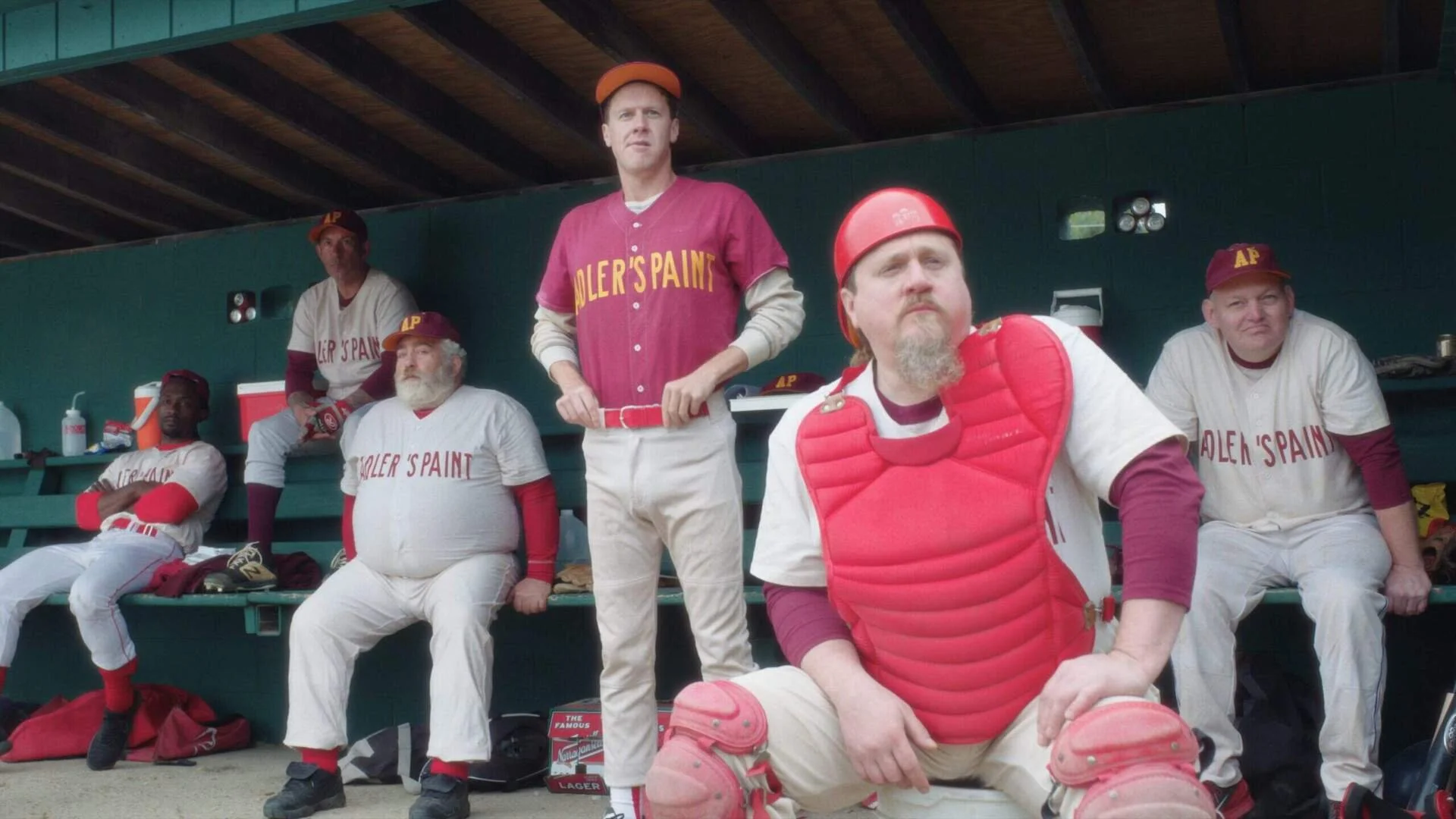
Eephus, the debut feature from filmmaker Carson Lund, captures these sensations and textures so perfectly that both watches have left me overwhelmed with feelings of nostalgia. The film takes place over the final game of a recreational New Hampshire baseball league — a league at risk due to construction over the baseball field. The film serves as a love letter to the minutiae and connection and passion of America’s pastime.
I never met anyone with a greater love for baseball than my late grandfather. He held a lifelong subscription to Boston College’s baseball season even as he spent his last years in Tennessee. When I think of my grandpa, I picture him falling asleep on the couch to taped Red Sox games. When he moved to Tennessee to be closer to my dad for health reasons, he was most excited to see two of his grandsons play baseball.
In his dedication, it was easy to see him as the Eephus character Franny (played by the charming Cliff Blake). Franny shows up to all the rec league games with his playbook. The movie is marked by times of day on playbook pages, and each interstitial is accompanied by Franny joyfully reciting a famous quote about baseball. I don’t understand playbooks, and my passions lean more towards the arts, but I felt like I understood my grandpa a little better.
The stakes of the film are surprisingly low. The movie is impartial to either team. The audience in attendance is sparse: Franny, a girlfriend, a few family members, and the baseball fan who does not play about the role of hot dogs in baseball. Kids fail to understand the players’ attachment. Two high teenagers watch in confusion.
But more important than any particular detail of the game or even the final score is the mere fact that the game is happening. After a head coach is pulled into a christening, after the referee goes home, after it’s too dark to even see the players, they have to finish the game. The looming presence of the field’s destruction heightens the importance of playing the game through. After a young player suggests a winter hangout, the team responds ambivalently – to meet outside the pre-established bounds of rec league would tamper the ephemerality that makes it so powerful.
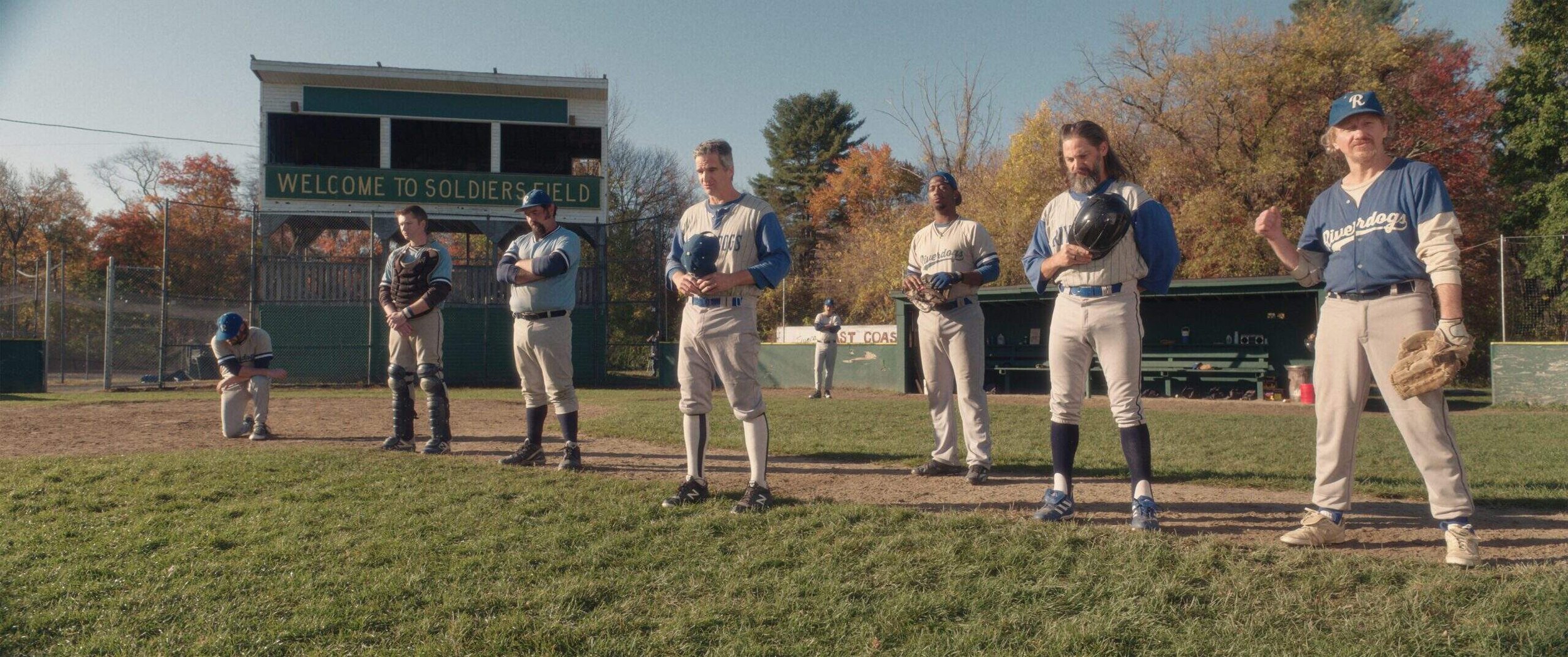
Eephus takes its name from a type of pitch where the ball is thrown in a way so that its speed confuses the pitch. When the main eephus pitcher tells a teammate about the technique, the teammate remarks how well the technique reflects baseball; “I’m looking around for something to happen, then poof — game’s over.” Like the Eephus throw, my grandfather was a steady presence that felt beyond my understanding until suddenly he was no longer there. It was in his death where I felt like I finally learned who he was as a person; the jokes between my dad and his sisters about his request for Irish bagpipes at each of their weddings or the extraordinarily thick Massachusetts accents of my relatives (similar to the thick New Hampshire accents donned by the Eephus characters).
Family is always a little odd in being connected to people from whom you can feel so distanced. But whether it’s in seeing family as characters in film or receiving a leather jacket as a sudden drunken gift from your uncle, there are always going to be those strong moments of unspoken connection. And those moments of connection are the heart of Eephus.
In a slow moment of the game, the founder of the Adler’s Paint team remarks on an imagined future art class over the field. He imagines “a kid that goes to school here who’ll paint a picture of me, pitching nine innings.” I’m excited that my late grandpa has a grandchild who writes about finding him in a solid baseball flick.