
‘The President’s Cake’ Reclaims Our Stories
The President’s Cake is one of the most stressful films you will ever watch. Partly because of the two leads—two child actors who are so talented that you often forget they’re acting—and partly because director Hasan Hadi keeps tightening the vise as the film descends further into darkness, sitting there as pressure building in your chest. In spite of the sea of dread that this film drowned me in, the main emotion I felt while walking out was relief. I felt comforted by its existence. Candidly, I am not used to being in an American movie theater and watching a film about the Middle East that feels as though it comes from within rather than being translated from the outside. The President’s Cake feels like something that finally belongs to us instead of the narrative that has for decades been filtered and made digestible for foreign eyes. It sees Iraq as truly Iraqi instead of a backdrop for other people’s wars or moral reckonings.
Post-9/11 cinema about the Middle East has been dominated by American war narratives. For years, Hollywood has been feeding us films that justify or sanitize intervention. Even in the rare cases where the films dare to question military power, they tend to center an American point of view, suggesting that war is tragic only because of its psychological toll on soldiers. These films neglect to even consider the devastation experienced by those whose countries became battlegrounds. We’ve spent years being drip-fed this content.
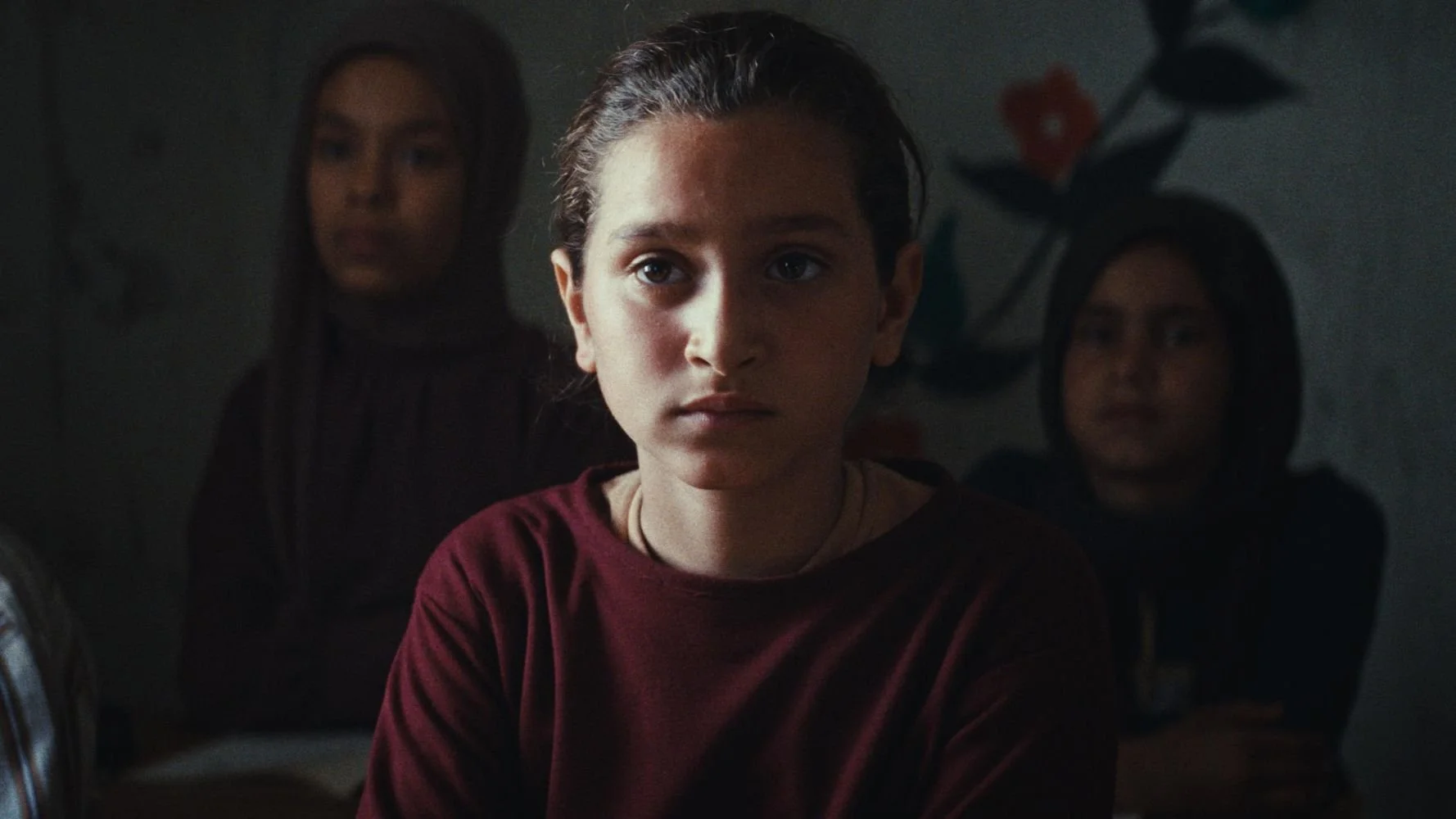
The President’s Cake offers something a little more honest. It focuses on the people who usually just become numbers in news reports. Hadi forces the audience to reckon with what sanctions actually look like when they land on human bodies. He forces audiences to engage with what it really means to be a child negotiating survival when both your dictator and a distant superpower have calculated your suffering as strategically acceptable. The story is set during the economic sanctions of 1990s Iraq. It follows nine-year-old Lamia who lives with her grandmother and pet rooster, Hindi, in the Mesopotamian Marshes. She gets selected at school to bake a mandatory cake celebrating Saddam Hussein’s birthday. The task itself sounds almost comically simple until you remember that groceries are expensive and scarce due to the sanctions. Finding flour and eggs and sugar becomes an odyssey through a country being systematically crushed.
The violence of sanctions often gets obscured by diplomatic language. Sanctions are often described as a nonviolent diplomatic tool and the civilized alternative to warfare. Although their violence is less direct than bombs, sanctions can still be deadly because they attack slowly and methodically, turning basic survival into a true struggle. Iraq’s sanctions lasted thirteen years and killed half a million children, yet the narrative around them still remains detached and bureaucratic. When Madeleine Albright was pressed about this mortality rate on 60 Minutes, she said “the price was worth it.” Half a million children were seen as an acceptable cost for American strategic objectives.
Instead of forcing a lecture, the film takes us through it, bringing us on a journey of a girl trying to find ingredients for a cake, and the obstacles in her journey show you everything else. You feel the fear of failing at an arbitrary task. You understand the humiliation of deprivation in a country rich with oil. Your blood pressure spikes as you encounter predatory men who see opportunity in desperation. You see everything for yourself because Hassan Hadi refuses to give us the comfort of simplification.
Hadi’s direction subtly layers in the textures of authoritarian rule (the massive portraits of Saddam in schools, the protest chants against American forces echoing through the streets, etc.) in conjunction with the devastation caused by foreign intervention, while keeping Lamia at the center, trying to navigate forces she’s too young to name but old enough to feel closing in around her. American sanctions strangled his country and killed hundreds of thousands of people. Saddam Hussein’s dictatorship was monstrous. Hadi holds both realities in the frame simultaneously, understanding that indicating one form of violence won’t diminish the other. Perhaps, they even compound each other. A perceived lesser evil never excuses another; both evils converged to create the particular hell these children had to navigate.
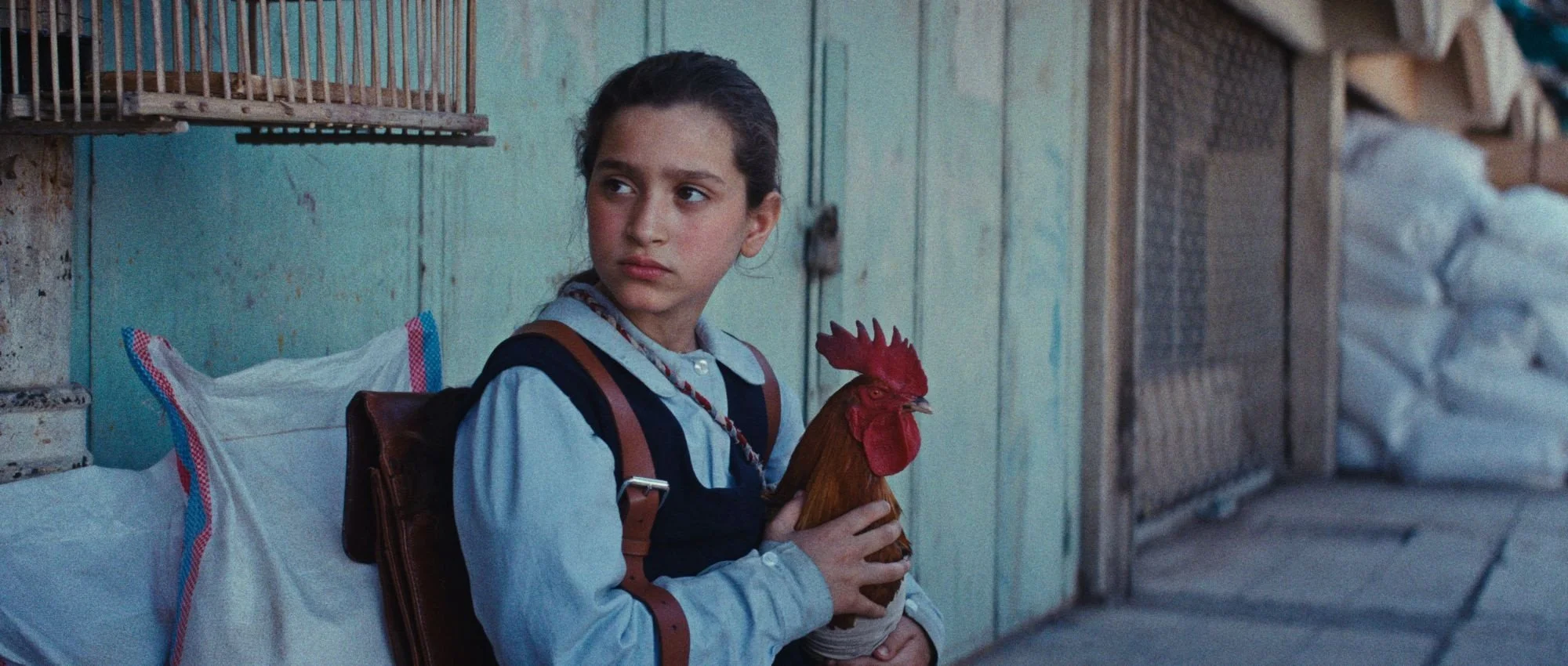
This is the first Iraqi film to ever screen at Cannes, which is especially impressive when you consider how unapologetically Iraqi it is. Hadi refused funding offers that required him to shoot outside of Iraq because he wanted to showcase the Mesopotamian Marshes as they actually are. He wanted to film near some of the oldest structures in human civilization and root the story in a place with memory deeper than any contemporary catastrophe. He built the production from almost nothing in a country with virtually no film infrastructure, working primarily with non-actors, and still won numerous awards.
The ending doesn’t offer any resolution or release, and that’s because for many in Iraq, they received no resolution or release. Instead, Hadi’s direction leaves you feeling wrung out, experiencing a single day extracted from something ongoing and inescapable. But you can’t reduce Lamia to a statistic anymore. You can’t hear the phrase “500,000 dead children” and let it remain an abstraction. It gives you no choice but to sit with what those numbers actually mean.
I’ve been waiting for films like this, for stories that come from us and stay with us instead of filtering our lives through frameworks designed to make them legible to Western audiences. I've been waiting for people like Chris Columbus who use the full weight of their illustrious careers and production companies to put honest and sincere projects like this in the mainstream. Finally, the narrative is being reclaimed. I have been waiting for filmmakers like Hasan Hadi, and for those willing to stand behind work that does not make itself smaller to be seen.
Hadi fought to make this film on his own terms, shooting in Iraq with Iraqi actors, showing the country as it actually exists rather than how it’s been imagined in a thousand other people’s propaganda. We deserve that. We deserve to tell our own stories without having to make them smaller or softer or more digestible first.